
مدونة
4 مشاكل شائعة في بناء ملاعب البادل تنس
المقالات الأخيرة
جدول المحتويات
مقدمة
Padel tennis has experienced rapid growth globally, prompting clubs, residential communities, and commercial sports centers to invest in high-quality courts. Effective padel tennis court construction is not just about laying turf and fencing; it requires meticulous planning, proper material selection, precise surface preparation, and compliance with safety standards.
Neglecting critical aspects of construction can result in uneven surfaces, poor durability, inadequate lighting, or safety hazards. This article explores the four most common problems in padel tennis court construction and provides practical, data-driven solutions supported by real-life examples.
Importance of a Level Playing Surface
A uniform and properly graded playing surface is the cornerstone of high-quality padel tennis court construction. Uneven surfaces not only affect ball behavior but also increase injury risk and accelerate wear on the court materials. Key issues caused by poor leveling include:
- Water accumulation and puddles after rainfall, which can halt gameplay and damage turf
- Irregular ball trajectories, leading to inconsistent play and frustration for players
- Premature wear of synthetic turf fibers or sub-base materials due to concentrated stress points
Solutions and Best Practices
Achieving a level surface requires careful site preparation and precision techniques:
- Soil Compaction: Compact soil to a minimum of 95% density to ensure stability
- Laser Leveling: Use laser-guided leveling systems for accuracy within 2–3 mm across the court
- Slope Design: Maintain a 1–2% gradient to allow water to drain naturally without affecting play
- Sub-base Material: Use crushed stone or gravel layers of 15–20 cm thickness, compacted in layers for maximum stability
Maintenance and Inspection Tips
- Inspect surface slope after heavy rainfall to ensure proper drainage
- Monitor areas where water tends to accumulate and adjust local grading if necessary
- Reapply infill material on synthetic turf annually to maintain uniform surface height
Real-World Example
At a private club in Spain, the initial padel court suffered frequent puddling after rainfall, disrupting matches. The construction team removed the top layer, regraded the base with laser precision, and added a compacted gravel sub-base. Post-renovation:
- Drainage efficiency improved by 80%
- Turf lifespan increased by 30%
- Player satisfaction rose significantly, with no game cancellations due to surface water
Problem 2: Material Selection and Durability
Choosing the Right Materials
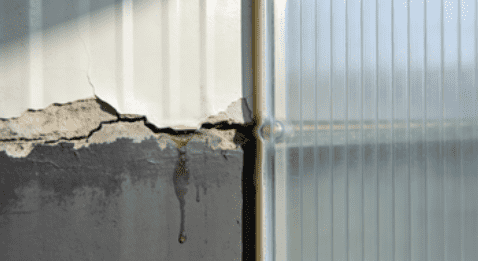
The longevity and performance of a padel court are strongly influenced by material quality. Poor material selection is a common construction problem, resulting in early wear, structural issues, or increased maintenance costs. Common pitfalls include:
- Using low-grade concrete or asphalt that cracks under stress or extreme temperatures
- Selecting synthetic turf not designed for sports use, causing uneven ball bounce and fiber loss
- Installing fencing and structural elements susceptible to corrosion
Recommended Approach
- Sub-base: Use high-strength concrete (≥25 MPa) or asphalt, properly cured for long-term durability
- Synthetic Turf: Sports-grade turf with UV protection, fiber density ≥10,000 stitches/m², and sand infill for consistent ball bounce
- Fencing: Powder-coated or galvanized steel, with tempered glass panels where visibility is important
- Adhesives and Joint Materials: Ensure UV-resistant and weatherproof bonding materials to prevent lifting or separation
Benefits of Proper Material Selection
- Reduces long-term maintenance costs
- Ensures consistent player experience
- Increases structural durability and lifespan of court components
Example Application
A commercial sports facility in Portugal had aging asphalt courts that were prone to cracking and turf wear. By replacing the sub-base with reinforced concrete and installing high-density synthetic turf:
- Court usage capacity increased by 50%
- Maintenance costs dropped by 25% annually
- Player feedback indicated improved playing experience and satisfaction
Problem 3: Lighting and Visibility Optimization

Role of Proper Illumination
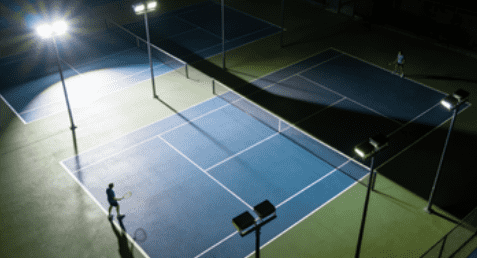
Lighting is essential for evening, indoor, or covered padel courts. Poor illumination can cause injuries, affect performance, and reduce overall enjoyment. Key considerations include:
- Uneven lighting creates dark spots that affect gameplay
- Improper angles produce glare, distracting players
- Low lumen fixtures fail to meet standard visibility requirements
Technical Recommendations
- Uniform illumination: 300–500 lux across the entire playing surface
- Fixture specifications: LED lights with 5000–6000K color temperature for natural color rendering
- Height and angle: Install at 6–8 meters height with anti-glare placement
- Energy efficiency: Consider motion sensors and programmable timers to reduce energy costs
Real-World Example
A sports center in the Netherlands upgraded four outdoor padel courts with high-performance LED floodlights. Outcomes included:
- Lighting uniformity improved by 40%
- Player complaints about shadows during evening matches dropped to zero
- Energy consumption reduced by 35% compared to older metal-halide lamps
Maintenance Tips
- Regularly clean fixtures to prevent dust accumulation
- Inspect for misaligned or damaged lights every 6 months
- Replace bulbs with similar lumens and color temperature to maintain consistency
Problem 4: Fencing and Safety Barrier Considerations
Safety and Structural Integrity
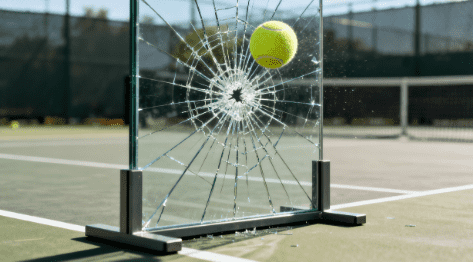
Fencing is a critical component in padel court construction, keeping balls contained and protecting players. Insufficient or poorly installed fencing can cause safety hazards and disrupt gameplay. Issues include:
- Low or flexible fences allowing balls to escape
- Corrosion or rust on metal fencing components
- Loose panels or unstable footings compromising structural safety
Best Practices
- Height: Maintain 3–4 meters for standard padel courts
- Material: Powder-coated steel or galvanized metal; tempered glass panels for visibility and aesthetics
- Anchoring: Secure footings using concrete and high-grade fasteners
- Regular Inspection: Check tension and stability every 6 months
Example Implementation
A municipal facility in Argentina upgraded its courts with tempered glass back walls and galvanized steel fencing. Results included:
- Ball loss reduced by 60%
- Improved spectator visibility
- Increased safety for players and staff
Parameterized Comparison Table for Court Construction
| ميزة | Recommendation | Parameter/Standard | Benefit |
|---|---|---|---|
| Sub-base Material | Concrete / Asphalt | Concrete ≥25 MPa, asphalt properly cured | Ensures load-bearing durability and even surface |
| Turf Type | Synthetic Sports Turf | UV protection, fiber density ≥10,000 stitches/m², sand infill | Provides consistent bounce and durability |
| Surface Slope | 1–2% gradient | Ensures water drainage | Prevents pooling and surface damage |
| Fencing | Powder-coated steel / Tempered glass | Height 3–4 m, anchored in concrete | Player safety, ball containment |
| إضاءة | LED sports fixtures | 300–500 lux, 5000–6000K, anti-glare | Evening playability, uniform visibility |
| Maintenance Cycle | Routine | Surface inspection every 6–12 months | Extends lifespan, prevents costly repairs |
Additional Tips for Optimizing Padel Tennis Court Construction
- Conduct soil and sub-base testing before starting construction
- Incorporate drainage channels or permeable surfaces for rainwater management
- Engage experienced contractors with references in padel court construction
- Regularly inspect fencing, turf, and lighting systems to prevent deterioration
- Consider environmentally friendly solutions such as LED lights and recycled turf
خاتمة
High-quality padel tennis court construction requires careful attention to surface leveling, material selection, lighting, and fencing. Addressing these common issues ensures a safe, durable, and enjoyable playing environment while minimizing maintenance costs. Real-world examples show that even minor corrections can significantly improve court performance and longevity.
For facilities looking to build or upgrade padel courts, following these guidelines can ensure professional-grade results and enhance user satisfaction.
Need personalized advice for your padel tennis court construction project? Contact our expert engineers today to discuss your site requirements, materials, and design solutions. Ensure your court meets professional standards and delivers the best player experience.
التعليمات
What is the standard size of a padel tennis court?
10 meters wide and 20 meters long, enclosed by fencing or walls.
How long does construction take?
Typically 4–8 weeks, depending on site conditions and materials.
Can existing courts be retrofitted with proper lighting?
Yes, LED floodlights can be installed with careful planning to avoid shadows.
Which surface type is best for outdoor padel courts?
UV-protected synthetic turf with sand infill or acrylic surfaces ensures durability and consistent bounce.
How often should maintenance occur?
Routine inspections every 6–12 months for surface, lighting, and fencing are recommended.
Are eco-friendly construction options available?
Yes, including LED lighting, recycled turf, and water-efficient drainage systems.