
BLOG
World Famous Padel Courts Rankings and Reviews
Recent Articles
Padel has exploded from its origins in Mexico to become one of the world’s fastest‑growing racket sports. As facilities boom across Europe, North America, and the Middle East, discerning players and travelers increasingly seek out world famous padel courts to play, compete, and train. Whether you’re planning a padel trip, choosing a club to join, or evaluating premium facilities, this guide breaks down the top venues, their unique strengths, and how they compare.
Key Takeaways
- Discover the biggest and most prestigious padel clubs worldwide
- Learn what makes these venues stand out in quality and player experience
- See how rankings change based on capacity, amenities, and reviews
- Compare padel court destinations by region and playing experience
- Get answers to common questions players ask about global padel venues
Table of Contents
What Makes a Padel Court “World Famous”?
World famous padel courts are more than just well‑maintained playing surfaces. They often feature:
- High court count and tournament‑ready facilities
- Professional coaching and academy programs
- Community and event presence attracting locals and tourists alike
- Top‑tier amenities like lights for night play, pro shops, and lounges
- Strategic geographical location in padel‑savvy countries like Spain and Sweden
Facilities that combine these traits naturally rise in rankings and earn strong user reviews.
Top Global Padel Venues You Should Know About
Padel’s global popularity has surged over the past decade, leading to the creation of world-class venues that serve both elite players and casual enthusiasts. These venues are more than just courts — they are centers for coaching, community engagement, competitive events, and lifestyle experiences. Below, we explore some of the most prestigious padel courts worldwide that every player should know.
El Estudiante – Alcobendas, Spain
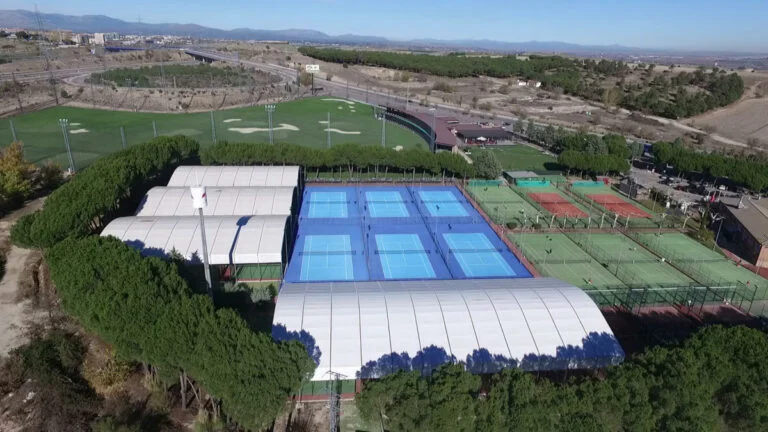
Largest Padel Complex Worldwide
El Estudiante is the largest padel facility on the planet, featuring 40 meticulously maintained courts. Located just north of Madrid, it has become a cultural and competitive hub for Spain’s passionate padel community.
Diverse Court Types
The venue includes a mix of premium indoor and outdoor courts, enabling players to experience conditions similar to professional tournaments. This variety supports both recreational play and high-level competitions.
Professional Coaching and Programs
Certified trainers provide structured coaching, while organized leagues and ladder competitions foster skill development for all ages. Youth programs ensure the next generation of Spanish players remains competitive on the international stage.
Community and Lifestyle Integration
Players praise El Estudiante for its social events, online booking convenience, and seamless combination of play and lifestyle, including nearby lodging and Spanish culinary experiences, making it a top destination for padel tourism. lodging, making Alcobendas a popular padel travel destination for Europeans and beyond.
Padel House Espoo – Espoo, Finland

Northern Europe’s Flagship Venue
Padel House Espoo is the largest facility outside Spain, with 33 indoor courts that allow year-round play despite Finland’s harsh winters.
Focus on Player Development
The club emphasizes structured training programs and youth academies, promoting grassroots padel development across the region. Players receive coaching designed to refine technique, tactics, and game strategy.
Community-Oriented Design
Beyond play, the venue offers social spaces, lounge areas, and networking events, encouraging players to exchange skills and form lasting connections. Many players highlight the welcoming, inclusive atmosphere as a major advantage.
Event Hosting and Accessibility
Espoo hosts regional competitions and local tournaments, providing platforms for both beginners and advanced players to compete and improve in a supportive environment.
Sportcity – Massanassa, Valencia, Spain

Versatile Play and Advanced Facilities
Sportcity features 30 courts with a mix of indoor and outdoor options, offering players flexibility and variety. The venue’s modern LED lighting and high-quality surfaces support night-time play and professional training sessions.
League Formats and Tournaments
The complex runs multiple league formats catering to all skill levels, from amateur enthusiasts to competitive players. International amateur tournaments and exhibition events are regularly held.
Lifestyle Amenities
Sportcity integrates lounges, boutique shops, and refreshment areas, transforming the venue into a social hub where players can relax and interact after matches. Its combination of play, social activity, and convenience makes it a favorite among Valencia residents and visiting players.d refreshments — making it a destination not just for play but for social engagement.
PDL Center Frihamnen – Stockholm, Sweden
Scandinavia’s Largest Club
With 28 courts, the PDL Center Frihamnen is Sweden’s premier padel destination. Its design blends high-performance play with community engagement, reflecting the region’s growing padel culture.
Indoor and Covered Outdoor Courts
The mix of indoor and partially covered outdoor courts allows consistent training in all seasons. Players can enjoy uninterrupted play even during Sweden’s long winters.
Competitive and Educational Programs
Frihamnen hosts open tournaments, ranking matches, and technical clinics. Youth and adult programs focus on strategic play, technique, and tactical awareness, fostering player development across all levels.
Player Experience
Local players appreciate the club’s focus on coaching and quality of service, which has helped elevate Sweden’s international padel profile. The venue is often cited for its smooth court surfaces, professional event management, and welcoming environment.velopment — a reflection of how padel has matured within Northern Europe.
Ultra Padel Club – Miami, USA
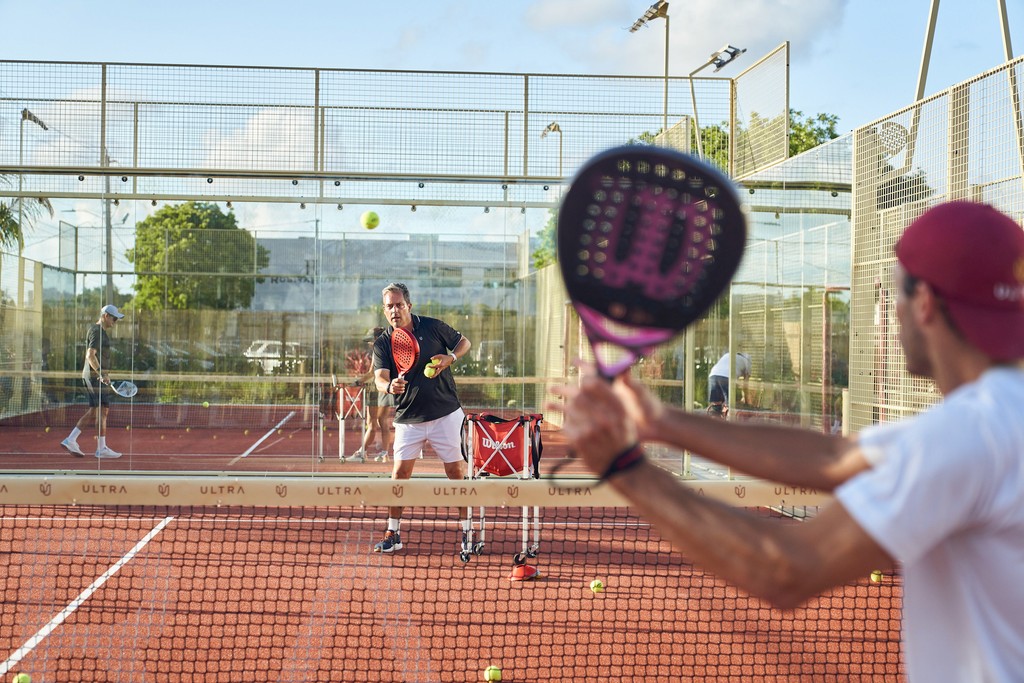
North America’s Emerging Powerhouse
Ultra Padel Club is a leading venue in the U.S., reflecting the sport’s rapid growth across the continent. High-quality courts and professional programming cater to both recreational players and emerging talent.
Court Quality and Community Engagement
Courts maintain consistent playing conditions, crucial for training and competition. Active leagues, mixers, and community events encourage participation and skill-sharing among players of all levels.
Youth Development and Talent Pipeline
The club supports structured youth programs, helping local players gain exposure and develop their competitive edge. Partnerships with professional instructors and regional ambassadors further enhance training quality.
Lifestyle Integration
Miami’s year-round outdoor climate allows integration of padel with fitness and social activities. The club frequently hosts lifestyle events combining networking, health, and competitive play, attracting players beyond the traditional sports community.ss, networking, and competitive play — appealing to both serious athletes and social padel enthusiasts.
What These Top Venues Have in Common
Across Spain, Scandinavia, and North America, the world’s leading padel facilities share several strengths:
- High court capacity that accommodates demand from both casual and serious players
- Strong community programs, from youth development to adult leagues
- Professional coaching options for player improvement
- Social and competitive events that foster local participation
- Modern infrastructure, including lighting, booking systems, and amenities
Whether you’re a tourist planning a padel trip or a local player seeking elite facilities, these courts represent the pinnacle of padel infrastructure and culture.
Table: World’s Largest Padel Club Rankings
| Ranking | Club Name | Location | Number of Courts | Features |
|---|---|---|---|---|
| 🥇 | El Estudiante | Alcobendas, Spain | 40 | Multi‑sport facility |
| 🥈 | Padel House Espoo | Espoo, Finland | 33 | Northern Europe lead |
| 🥉 | Sportcity | Massanassa, Spain | 30 | Indoor + outdoor courts |
| 4 | PDL Center Frihamnen | Stockholm, Sweden | 28 | Scandinavian flagship |
| 5 | Ultra Padel Club | Miami, USA | 28 | U.S. premier club |
What Sets These Courts Apart?
Professional Training and Academy Programs
Clubs like M3 Padel Academy near Madrid go beyond just courts — they provide coaching and development programs with professional coaches, often drawing players seeking serious improvement.
World‑Class Facilities and Amenities
Top padel courts now feature amenities that rival tennis clubs, including panoramic court designs, advanced lighting, spectator seating, and wellness areas. Dubai and London have also seen premium padel clubs designed to elevate the overall player experience.
Community and Competitive Play
Well‑ranked venues often host weekly competitions, social leagues, and events that build passionate player communities. These social elements boost reviews and make clubs destinations in their own right.
Regional Comparison: Spain vs Northern Europe vs USA
Padel’s global expansion has created distinct regional ecosystems, each with unique characteristics, facility standards, and player expectations. Understanding these differences is key for enthusiasts seeking top-quality play, coaches scouting venues, and tourists planning padel travel.
Spain: The Global Epicenter of Padel
Spain remains the undisputed heart of padel, with over 11,000 registered clubs and tens of thousands of courts nationwide. Spanish players benefit from a deep-rooted padel culture, a competitive league system, and a strong emphasis on coaching from youth academies to professional programs.
Key features of Spanish venues:
- High court density: Cities like Madrid, Valencia, and Barcelona host dozens of interconnected clubs within short distances.
- Variety of court surfaces: Clubs provide clay, synthetic turf, and glass-backed indoor courts to cater to competitive and recreational play.
- Cultural integration: Social and tournament events are regular, reflecting padel’s historical significance in Spain since the 1970s.
Example: El Estudiante in Alcobendas, with 40 courts, exemplifies Spain’s ability to combine volume with quality, supporting both elite competitions and grassroots development.
Player Perspective: Spanish players value court consistency, availability for frequent practice, and competitive leagues, making Spain the benchmark for global padel standards.
Northern Europe: Growth in Scandinavia and Beyond
Countries like Sweden and Finland are rapidly developing modern padel infrastructures. Although padel was introduced in Northern Europe only in the last 20 years, the region now boasts some of the largest padel complexes outside Spain, including Padel House Espoo (33 courts) and PDL Center Frihamnen (28 courts).
Distinctive characteristics of Northern European venues:
- All-weather indoor facilities: Harsh winters necessitate climate-controlled courts, allowing year-round play.
- Professional coaching and youth programs: Scandinavian countries emphasize structured skill development, often integrating padel into school and sports club programs.
- Community-focused design: Many clubs include social areas, fitness facilities, and lounges to encourage social engagement alongside training.
Player Perspective: Northern European players prioritize facility quality, indoor comfort, and coaching availability. The controlled environment ensures minimal downtime due to weather, contributing to consistent skill improvement.
Insight from Local Players: Swedish padel enthusiasts note that venues like PDL Center Frihamnen “offer world-class training conditions and a strong sense of community, even though outdoor courts are limited by climate.”
USA: Emerging Padel Hotspots
Padel is relatively new in the U.S., but growth has been explosive in regions like Miami, Los Angeles, and Texas. Clubs such as Ultra Padel Club in Miami reflect the sport’s rising popularity, offering professional-grade courts, active leagues, and community programs.
Key traits of U.S. padel venues:
- Rapidly expanding infrastructure: New courts are being constructed to meet rising demand, particularly in urban centers and regions with strong Latin American communities.
- Focus on lifestyle integration: Many venues combine padel with fitness, social networking, and recreational events to attract broader audiences.
- Innovation in booking and management: U.S. clubs often integrate digital platforms for reservations, performance tracking, and community engagement.
Player Perspective: American players are often newer to padel and prioritize accessibility, court quality, and social activities. Miami’s Ultra Padel Club is considered a leading example of combining sport with lifestyle experiences.
Comparative Analysis of Key Factors
| Region | Court Density | Indoor/Outdoor Ratio | Community & Events | Player Expertise Level |
|---|---|---|---|---|
| Spain | Very High | 60% outdoor / 40% indoor | Extensive tournaments & leagues | High (experienced players common) |
| Northern Europe | Moderate-High | 80% indoor / 20% outdoor | Focused on coaching & youth programs | Medium-High (structured training) |
| USA | Growing | 70% outdoor / 30% indoor | Lifestyle & recreational events | Medium (mixed experience) |
Insight: Spain dominates in sheer volume and cultural integration, Northern Europe excels in structured indoor training, and the U.S. emphasizes growth, accessibility, and lifestyle appeal.
How Players Rate These Venues
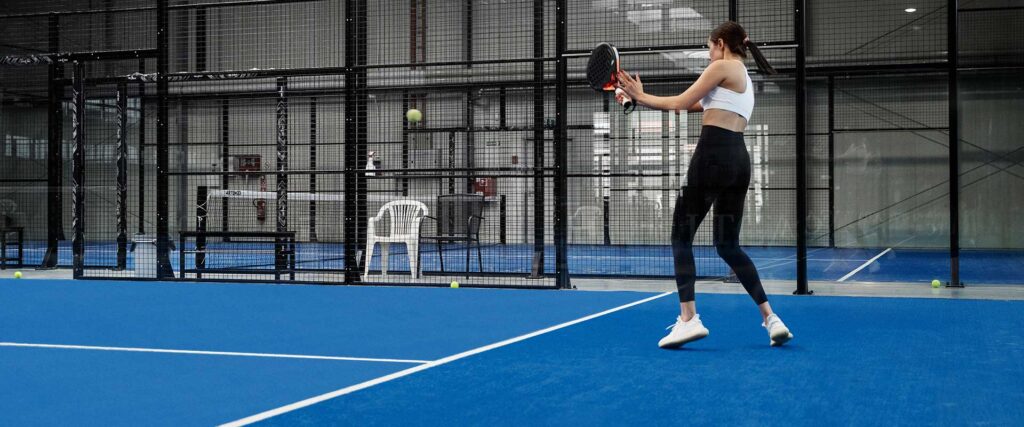
Players often evaluate world-class padel courts based on multiple dimensions:
- Court Surface Quality: Speed, bounce consistency, and maintenance are crucial. High-level players notice subtle differences that affect game strategy.
- Booking Ease and Availability: Online platforms, real-time court availability, and flexible scheduling influence player satisfaction.
- Community & Event Programming: Active leagues, tournaments, and social mixers foster engagement and loyalty.
- Facilities & Amenities: Cleanliness, lighting, rest areas, fitness zones, and food services enhance overall experience.
Clubs excelling across all these factors consistently climb global rankings, attracting both casual and professional players alike. For example, El Estudiante and Padel House Espoo receive high marks for combining top-tier courts with strong community engagement, while Ultra Padel Club leads in integrating padel with lifestyle experiences.
FAQ
What are the best padel courts in the world for beginners?
Many large clubs such as El Estudiante and Sportcity offer coaching programs and easy booking, making them ideal for beginners.
Are there indoor padel courts suitable year‑round?
Yes — venues like Padel House Espoo and indoor courts in Spain provide all‑weather playability.
Can visitors play at top padel courts internationally?
Most major padel clubs welcome tourists. Booking in advance is recommended during peak seasons.
Which region has the most padel courts?
Spain has the highest concentration of courts and clubs globally, but Scandinavia and parts of Europe are rapidly expanding.
Do these top clubs host tournaments?
Yes — many host local and international padel events, contributing to their reputation and community engagement.
Conclusion
Whether you’re a competitive player, recreational enthusiast, or traveler seeking a unique sporting experience, the world’s top padel courts offer something for everyone. From massive multi‑court complexes in Spain to rapidly growing venues in Finland and the U.S., these facilities represent the pinnacle of padel infrastructure, community, and experience.
Exploring these destinations can enrich your padel journey — and potentially inspire you to join the next wave of global padel growth.