
Ratgeber
3 Simple Steps to Maintain a Padel Court Perfectly
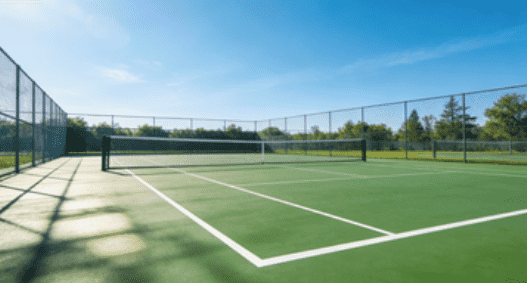
Aktuelle Artikel
Inhaltsverzeichnis
Einführung
A Padelplatz is not just a simple playing field; it is a carefully designed sports facility that requires consistent maintenance to ensure performance, safety, and durability. Whether it is for recreational use, professional training, or competitive matches, the condition of a Padel Court directly affects player experience and longevity of the surface. Over time, exposure to weather, heavy use, and improper maintenance can cause wear and tear, uneven surfaces, and potential hazards for players.
Maintaining a Padel Court involves understanding its construction, recognizing common issues, and implementing preventive strategies. This guide outlines three simple steps to maintain a Padel Court perfectly, focusing on surface care, structural integrity, and equipment upkeep. By following these practices, court owners and facility managers can maximize the lifespan of the court while providing a safe and enjoyable playing environment.
Step 1: Regular Surface Cleaning and Care of a Padel Court
Importance of Surface Maintenance
The surface of a Padelplatz is the cornerstone of gameplay quality and player safety. An uneven, dirty, or damaged surface not only affects ball bounce but also increases the risk of slips, trips, and injuries. Outdoor courts are particularly vulnerable, as natural elements such as dust, leaves, sand, and small stones can accumulate quickly, especially after windy or rainy conditions. Even minor debris can change the friction between the ball and court surface, causing inconsistent ball behavior that can frustrate players and disrupt training sessions or matches.
Maintaining a clean and even surface extends the lifespan of the court, reduces repair costs, and ensures a consistent playing experience. Regular attention also prevents minor issues from escalating into larger structural problems that require expensive interventions.
Cleaning Techniques for a Padelplatz
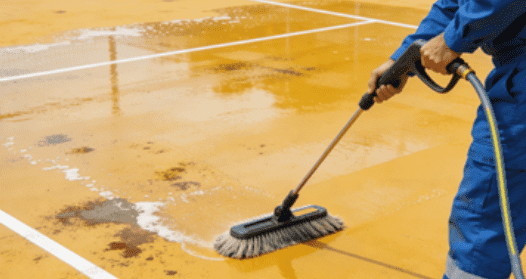
Effective cleaning depends on both frequency and method. Daily sweeping or brushing is recommended to remove loose debris. For artificial turf courts, soft-bristled brushes prevent damage to fibers while effectively lifting dirt and sand. Synthetic or hard courts may require a combination of dry sweeping and occasional gentle washing. Mild detergents or specially formulated cleaning solutions can remove sticky residues, bird droppings, or moss buildup without damaging the surface.
Power washers may be used cautiously for outdoor synthetic courts, but high-pressure jets should be avoided as they can erode seams or loosen adhesives. Always ensure that water drains properly after cleaning to avoid pooling, which can lead to surface warping or mold growth.
Inspection of boundary lines, service boxes, and markings should be performed at least weekly. Worn or faded lines reduce visibility, affect game fairness, and can diminish the professional appearance of the court. Repainting or replacing lines as needed ensures clarity and safety for players.
Preventive Tips for Surface Care
- Conduct a weekly visual inspection for cracks, debris accumulation, or surface damage.
- Avoid using metal tools that can scratch or tear the surface fibers. Plastic or rubber scrapers are preferable.
- Check and clear drainage channels to prevent water accumulation and potential flooding.
- Rotate court usage if possible to avoid overuse of specific high-traffic zones.
- Apply a protective coating annually to UV-sensitive synthetic surfaces to preserve color and grip.
By integrating these practices into daily and weekly routines, court surfaces remain smooth, playable, and safe throughout the year.
Step 2: Structural Inspection and Maintenance of a Padel Court
Assessing Court Integrity
A Padel Court is a combination of the playing surface and supporting structures, including perimeter fencing, glass walls, net posts, and tensioning systems. Structural integrity is critical for safety, aesthetics, and consistent play. Over time, wear and tear from frequent use, weather exposure, and mechanical stress can compromise these components. Minor issues like loose bolts or small cracks in glass panels can escalate into major hazards if left unaddressed.
Common Structural Issues
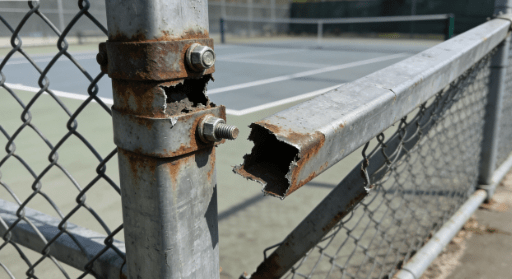
- Fencing Problems: Bent or loose fences can cause injuries or entanglement during play. Rust on metal posts weakens the frame.
- Glass Panels: Cracks or chips reduce visibility and may shatter if impacted by balls or players.
- Nets and Posts: Sagging nets alter game fairness and create uneven tension; posts can corrode or loosen, affecting net stability.
- Surface Edges: The edges of synthetic or artificial turf surfaces may lift or warp due to water ingress or temperature fluctuations, creating trip hazards.
Maintenance Strategies
Routine inspections should be performed at least monthly. Tighten bolts, check post alignment, and ensure net tension is consistent across the entire length. For outdoor courts, metal components benefit from protective coatings to prevent rust, while glass panels require proper edge sealing to minimize chipping and cracking.
Lubrication of movable parts, such as net tensioners or gates, ensures smooth operation and prevents wear from friction. Torque wrenches should be used to apply consistent pressure to bolts and fasteners without over-tightening. Minor repairs should be addressed immediately to prevent further damage or unsafe conditions.
Recommended Tools and Practices
- Non-abrasive cloths for cleaning glass panels and preventing scratches.
- Torque wrenches for uniform bolt tensioning.
- Lubricants suitable for outdoor conditions to prevent rust and ensure smooth movement.
- Protective padding or bumpers in high-contact areas to reduce damage from balls or players.
A well-maintained structure enhances both player safety and the professional look of the court while extending the overall lifespan of the facility.ty but also enhances the overall longevity and professional appearance of the court.
Mid-Section Table – Padel Court Maintenance Checklist
| Maintenance Area | Common Issues | Recommended Action | Frequency |
|---|---|---|---|
| Surface Cleaning | Debris, dust, leaves | Sweep/brush daily; wash with mild detergent | Daily/Weekly |
| Net & Posts | Sagging, rust, loose bolts | Adjust tension, lubricate, replace worn parts | Monthly |
| Fencing & Panels | Rust, cracks, misalignment | Tighten, repair, protective coating | Monthly |
| Court Lines | Faded markings | Repaint or replace markings | Annually |
| Drainage System | Water pooling | Clear drains, check slope | Quarterly |
| Equipment | Balls, rackets left on court | Remove after play | Daily |
| Protective Coatings | Surface degradation, UV damage | Apply annual UV-resistant coating | Yearly |
| Seasonal Weather Checks | Snow, ice, heavy rain | Inspect and remove buildup, maintain slope | Seasonal |
This checklist provides a structured approach to court maintenance, highlighting critical areas, common problems, recommended actions, and ideal frequency for inspections. Following these guidelines helps keep a Padel Court in top condition and ready for safe and consistent gameplay.
Step 3: Weather Protection and Environmental Considerations for Padel Court
Outdoor Court Challenges
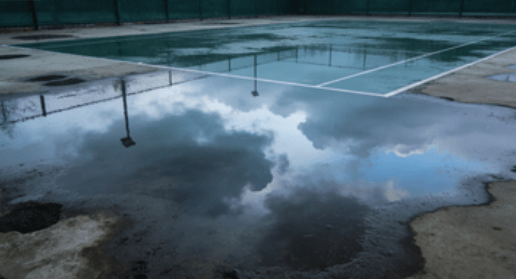
Outdoor Padel Courts face constant exposure to environmental elements. UV rays from sunlight can gradually break down synthetic fibers, reducing surface grip and altering color. Rain, snow, and frost can cause water pooling, surface warping, or even ice formation, creating unsafe conditions. Wind carries dust, leaves, pollen, and debris, which accumulates on the court and affects both aesthetics and playability.
Environmental factors also accelerate wear and can affect court components differently. For example, net posts may rust faster in coastal regions, while shaded areas may develop moss or algae. Understanding these challenges is essential for implementing targeted maintenance.
Protective Measures
- Installieren shade covers oder UV-resistant mesh over the court to minimize sun damage.
- Ensure that the court has effective drainage to prevent water accumulation during rain or snow.
- Verwenden windbreak nets around the perimeter to reduce debris buildup.
- Apply protective coatings to synthetic surfaces annually to maintain grip, color, and durability.
- For glass panels and metal posts, consider weather-resistant treatments to prevent corrosion or fading.
Seasonal Maintenance
Special attention must be given during winter or wet seasons. Snow should be removed carefully with plastic shovels to avoid tearing or damaging the surface. Inspect drainage channels regularly to ensure that leaves or debris are not obstructing water flow. For synthetic courts, anti-freeze or absorbent materials can be used temporarily to prevent surface ice formation.
Seasonal checks should also include examining the tension of nets, the stability of posts, and the integrity of fencing and glass panels. Proactive seasonal maintenance prevents long-term damage, reduces repair costs, and ensures that the Padel Court remains playable in all weather conditions.
Abschluss
Maintaining a Padelplatz perfectly is achievable through three simple but essential steps: regular surface cleaning, structural inspection, and weather protection. By implementing these practices consistently, court owners can enhance player safety, preserve surface quality, and extend the overall lifespan of the court. A well-maintained Padel Court not only offers an optimal playing experience but also protects your investment in this valuable sports facility.
Häufig gestellte Fragen
How often should a Padelplatz surface be cleaned?
Daily brushing or sweeping is recommended, with periodic washing using mild detergents to remove stains or sticky residues.
When should net tension be adjusted?
Net tension should be checked monthly and adjusted as needed to ensure proper height and firmness for fair play.
Can outdoor Padel Courts survive heavy rain or snow?
Yes, with proper drainage, protective coatings, and seasonal maintenance, outdoor courts can remain playable and durable in harsh weather conditions.
How can I prevent glass panel damage?
Regular inspections, protective coatings, and avoiding impact from equipment or balls reduce the risk of cracks or chips.
Is professional maintenance required for a Padel Court?
Routine maintenance can be performed by facility staff, but professional checks annually or biannually ensure safety, precision, and long-term performance.