
Ratgeber
8 Common Pitfalls to Avoid When Building Padel Court
Aktuelle Artikel
Inhaltsverzeichnis
Einführung
Building a padel court may seem straightforward, but even small mistakes during planning or construction can lead to costly repairs, reduced player safety, and subpar performance. Whether you are building a recreational padel court for local players or a professional tournament-grade facility, understanding common pitfalls in the building padel court process is essential. This guide outlines eight critical mistakes to avoid and provides actionable solutions to ensure your padel court is safe, durable, and enjoyable for players of all skill levels.
Key Takeaways:
- Proper surface selection impacts safety, bounce consistency, and court longevity
- Efficient drainage prevents water damage and reduces maintenance costs
- Adequate lighting improves visibility, player accuracy, and spectator experience
- Strong structural integrity ensures stability and prevents injuries
- Accurate budgeting avoids overspending while maintaining quality
- High-quality materials increase court lifespan and reduce future replacements
- Compliance with local regulations avoids fines and legal complications
- Maintenance planning protects your investment and enhances player safety
Pitfall 1: Choosing the Wrong Surface Material
Concept: The court surface is the foundation of a successful building padel court project. It directly affects player performance, safety, and long-term durability.
Different surfaces such as synthetic turf, cushioned PVC, and acrylic offer varying levels of traction, ball bounce, and maintenance requirements. Selecting the wrong material can lead to injuries, uneven gameplay, and expensive replacements.
Comparison Table: Surface Options
| Oberflächentyp | Haltbarkeit | Traction | Wartung | Optimale Nutzung |
|---|---|---|---|---|
| Kunstrasen | Hoch | Medium | Medium | Outdoor recreational courts |
| Cushioned PVC | Medium | Hoch | Niedrig | Indoor training centers |
| Acryl | Medium | Hoch | Medium | Professional tournament courts |
Expert Insight:
Dr. Laura Martinez, Sports Surface Engineer: “Choosing the right surface is critical. For long-term investment, synthetic turf with proper drainage often provides the best balance of safety, durability, and player satisfaction.”
Pitfall 2: Ignoring Proper Drainage Systems
Concept: Poor drainage is a leading cause of building padel court failures, especially in outdoor environments.
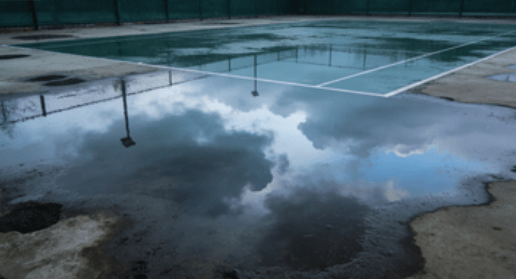
Standing water weakens the foundation, accelerates turf deterioration, and promotes moss or mold growth. Indoor courts with high humidity can experience similar damage if drainage is not properly planned.
Best Practices for Drainage
- Slope the court at 1–2% to allow water runoff
- Install perimeter drains or French drainage systems
- Ensure indoor courts have waterproof layers beneath turf
Case Study:
A Mediterranean outdoor club upgraded drainage with sloped turf and perimeter channels, resulting in:
- 40% fewer post-rain cancellations
- Extended turf lifespan by 25%
- Reduced maintenance hours per month
Pitfall 3: Insufficient Lighting for Night Play
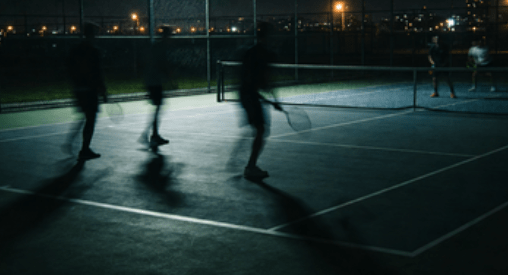
Concept: Lighting is a vital factor in building padel court projects. Poor illumination increases errors, reduces visibility, and can cause safety hazards for players.
Inadequate lighting can result in misjudged shots, collisions, and decreased enjoyment. Spectators also have a diminished experience during tournaments or club events if courts are not properly illuminated.
Lighting Solutions
- LED floodlights with adjustable angles
- Contrast-colored lines for better visibility
- Annual lighting audits to maintain recommended lux levels (≥300 lux for professional courts)
Lighting Comparison Table
| Lighting Type | Brightness | Energy Efficiency | Wartung | Optimale Nutzung |
|---|---|---|---|---|
| LED Floodlights | Hoch | Hoch | Niedrig | Indoor & outdoor tournaments |
| Halogen Spotlights | Medium | Medium | Medium | Recreational courts |
| Fluorescent Tubes | Niedrig | Niedrig | Hoch | Small training rooms |
Expert Opinion:
Miguel Alvarez, Sports Facility Consultant: “Many clubs underestimate lighting. Proper illumination is vital for both safety and performance on panoramic padel courts.”
Pitfall 4: Weak Structural Integrity
Concept: The strength of frames, fencing, and glass panels determines court safety and longevity.
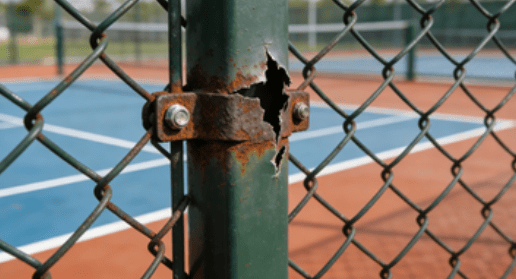
Cracks in tempered glass, rusted metal frames, or poor anchoring can create significant hazards and reduce court lifespan.
Inspection & Maintenance Recommendations
- Quarterly inspections of frames, joints, and glass panels
- Apply anti-corrosion coatings for outdoor courts
- Hire certified structural engineers annually for professional assessments
Data Insight:
A study by the International Padel Federation found that 12% of reported injuries on newly built courts were linked to glass panel misalignments, emphasizing structural importance.
Pitfall 5: Underestimating Costs and Budgeting Errors
Concept: Poor budgeting leads to cost overruns or compromised construction quality.
Unexpected costs often come from foundation corrections, surface replacements, or upgrading lighting. Proper financial planning ensures quality construction without cutting corners.
Cost Overview Table
| Component | Estimated Cost | Hinweise |
|---|---|---|
| Surface & turf | $15–30/sq.m | Synthetic vs cushioned PVC |
| Glass panels & fencing | $20–50/sq.m | Tempered glass recommended |
| Beleuchtung | $5–10k/court | LED preferred for tournaments |
| Drainage & foundation | $10–20k | Varies with terrain |
Expert Insight:
Sarah Thompson, Club Financial Advisor: “Investing in quality upfront reduces long-term maintenance costs and ensures safer, more enjoyable courts.”
Pitfall 6: Using Low-Quality Materials
Concept: Inferior materials increase maintenance and reduce court lifespan.
Substandard turf, PVC, or non-tempered glass can fail early, creating safety hazards and high replacement costs.
Material Recommendations:
- Tempered glass panels 10–12 mm thick
- UV-resistant synthetic turf
- Metal frames with anti-corrosion coating
Industry Insight:
According to the European Sports Surface Association (ESSA), courts built with low-grade materials may require full resurfacing within 5–7 years versus 10–15 years for high-quality materials.
Pitfall 7: Non-Compliance with Local Regulations
Concept: Legal requirements for construction, safety, and accessibility must be followed.
Regulations vary by region and cover dimensions, lighting, and emergency access. Non-compliance can result in fines or court closure.
Compliance Checklist:
- Verify local building codes before construction
- Obtain necessary permits
- Schedule inspections during and after construction
Expert Tip:
John Weber, Legal Consultant for Sports Facilities: “Many clubs overlook regulations until construction is complete, leading to costly retrofits or penalties. Early compliance is always cheaper.”
Pitfall 8: Neglecting Long-Term Maintenance Planning
Concept: Without a proper maintenance plan, courts degrade quickly, increasing costs and risks.
Routine cleaning, inspections, and repairs maintain safety, performance, and player satisfaction.
Maintenance Best Practices:
- Weekly turf cleaning and debris removal
- Quarterly inspection of seams, joints, and glass panels
- Regular lighting, drainage, and fencing maintenance
Case Studies:
- Outdoor Club, Spain: Weekly cleaning + annual inspection reduced injuries by 30%
- Indoor Club, Germany: Maintenance contract for LED lighting saved 18% energy annually
Additional Considerations for Professional Padel Clubs
Court Orientation & Sunlight Exposure
- Align courts to minimize sun glare for players
- Avoid direct west-facing courts for evening play
Accessibility & Spectator Comfort
- ADA-compliant pathways
- Proper seating and safety barriers
Technology Integration
- Smart sensors for court usage
- Automated irrigation for outdoor turf
- LED lighting with motion sensors
Häufig gestellte Fragen
Q1: How long does it take to build a padel court?
A: Typically 6–12 weeks, depending on surface type, drainage, lighting, and permits.
Q2: Can outdoor padel courts be used year-round?
A: Yes, with proper drainage, UV-resistant turf, and regular maintenance.
Q3: What surface is safest for beginners?
A: Cushioned PVC or synthetic turf offers optimal traction, comfort, and injury prevention.
Q4: How much does maintenance cost annually?
A: $500–1,500 per court for cleaning, inspections, and minor repairs, depending on use.
Q5: How does lighting affect gameplay?
A: Proper illumination improves visibility, reaction time, and reduces mistakes or injuries.
Abschluss
Avoiding these 8 common pitfalls ensures your padel court is safe, durable, and enjoyable for players. By investing in quality materials, proper drainage, structural integrity, and ongoing maintenance, you maximize both player satisfaction and ROI. A well-built padel court not only enhances performance but also supports long-term profitability and safety for recreational and professional clubs alike.