
Ratgeber
Average Price to Build a Padel Court 2026
Aktuelle Artikel
Inhaltsverzeichnis
Einführung
Padel is rapidly gaining popularity worldwide, attracting investors, sports clubs, and homeowners. Knowing how much it costs to build a padel court is crucial for budgeting accurately, selecting materials wisely, and ensuring the court lasts for decades.
Investing in a padel court involves more than just laying turf. You need to consider land, surface, fencing, glass panels, lighting, labor, permits, and long-term maintenance. Inadequate planning can result in structural problems, safety issues, or unforeseen expenses. This guide explores costs in 2026 with detailed examples, case studies, and regional insights.
Land Acquisition and Site Preparation
Importance of Site Selection
Selecting the right land is the first critical step in building a padel court. Urban areas provide easy accessibility, potential high player traffic, and increased revenue opportunities for clubs or facilities. However, these locations often come with higher land costs, stricter zoning regulations, and potential environmental constraints. In contrast, rural or suburban areas may offer lower land costs but require more extensive preparation, including leveling uneven terrain, improving soil stability, and installing proper drainage systems.
Land prices vary significantly depending on location, size, and topography. For example, in central Madrid, a 500 m² plot suitable for a padel court can cost around $45,000–$50,000, whereas in smaller towns, comparable plots may only range from $3,000–$10,000. Investors must also consider accessibility, parking availability, and potential expansion space when evaluating sites. A well-chosen site can reduce long-term maintenance costs and ensure the court remains safe and playable for decades.
Preparing the Ground
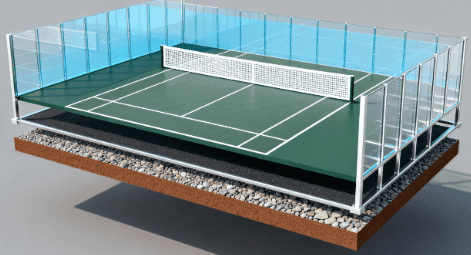
Proper ground preparation is essential for a stable, level, and safe playing surface. Tasks typically include grading the land, soil stabilization, compacting the base, and installing drainage systems to prevent water pooling. Inadequate preparation can lead to uneven surfaces, premature wear of turf, or structural damage to the court foundation.
A real-world example illustrates this importance: a Madrid facility had purchased land for $18,000, but an additional $12,000 was required to level the plot and install drainage before surface installation. Neglecting these preparatory steps could have resulted in uneven turf and water pooling, causing additional repair costs exceeding $8,000 within the first year. Proper preparation ensures consistent ball bounce, reduces injury risks, and minimizes long-term maintenance.
Surface Material Selection
The choice of surface material has a major impact on playability, durability, maintenance, and ultimately the cost of building a padel court.
Kunstrasen

Artificial turf is the most widely used surface due to its durability, low maintenance, and realistic playing experience. High-density synthetic turf typically costs $10,000–$25,000 per court. Turf quality directly affects ball bounce consistency and player safety. Premium turf options with advanced shock absorption and UV protection can extend lifespan by 5–10 years, reducing replacement frequency and saving long-term costs.
Acrylic Concrete
Acrylic concrete is known for its durability and excellent shock absorption, making it a common choice for professional courts. Its cost ranges from $12,000–$22,000 per court. Proper installation requires a reinforced underlayer to prevent cracking and maintain surface integrity. Acrylic concrete is less forgiving on joints and requires periodic resurfacing every 8–10 years, but provides excellent durability and minimal maintenance between resurfacing cycles.
Hybrid Resin Surfaces
Hybrid resin surfaces represent a professional-grade option with high-performance characteristics. These surfaces typically cost $18,000–$28,000 per court. They offer superior shock absorption, reduce fatigue for players, and maintain consistent performance even under high-intensity usage. Hybrid resin surfaces are commonly used in high-end clubs, professional training centers, and international tournaments.
Premium Surface Considerations
Premium surfaces, including artificial turf or resin treated with UV-resistant coatings, can add $5,000–$8,000 to the overall cost. Although the initial investment is higher, these surfaces extend court lifespan, minimize weather-related wear, and reduce long-term maintenance. Clubs that choose premium surfaces often report reduced downtime, fewer complaints from players, and a higher perceived value of the facility.
Fencing and Glass Panels
Role of Glass Panels

Tempered glass panels are crucial for padel court functionality. They allow proper ball rebound, provide visibility for players and referees, and contribute to the court’s aesthetic appeal. Glass thickness typically ranges from 10–12 mm, with costs per court ranging from $5,000–$15,000 depending on quality and installation requirements. Higher-end panels may include anti-reflective coatings or reinforced frames to improve durability and player safety.
Fencing Installation
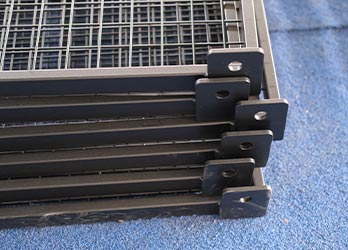
Metal fencing ensures safety, prevents balls from escaping the court, and provides structural stability for glass panels. Standard fencing costs $2,000–$6,000 per court, with additional nets, scoreboards, or padding adding $500–$1,500. Quality fencing and glass installation not only improve safety but also enhance the visual appeal and longevity of the court.
Beispiel aus der Praxis
A professional club in Paris invested $18,500 in tempered glass panels and anti-vandal fencing. The investment ensured compliance with tournament standards, improved player experience, and reduced liability risk from accidental damage. Proper fencing and glass installation is especially critical in urban locations where courts are in proximity to public spaces or high-traffic areas.
Lighting Installation

Why Proper Lighting Matters
Evening play and indoor padel courts require adequate illumination to ensure player safety and proper ball visibility. Poor lighting can cause eye strain, increase the risk of injury, and reduce the quality of play. LED floodlights are the preferred option due to their energy efficiency, long lifespan, and consistent brightness.
Components and Costs
- Lighting poles and installation: $2,000–$5,000
- LED floodlights: $1,500–$4,000
- Electrical wiring: $500–$1,500
Using LED lighting can reduce annual electricity costs by up to 30%, while providing uniform illumination across the entire playing surface. Proper placement and angle adjustment of lights are essential to minimize shadows and glare during play.
Labor and Professional Installation
Importance of Skilled Labor
Hiring experienced professionals is critical to ensure compliance with international padel standards. Skilled labor affects the installation quality of the playing surface, glass panels, fencing, lighting, and drainage systems. Improper installation can lead to uneven surfaces, safety hazards, and costly repairs.
Regional Labor Costs
- Europe: $8,000–$20,000
- USA/Canada: $10,000–$25,000
- Latin America: $5,000–$12,000
Choosing professional installers ensures correct drainage, even surface leveling, proper tensioning of fencing and nets, and accurate placement of lighting. High-quality installation reduces long-term maintenance, prevents surface degradation, and maximizes the lifespan of all court components.
Case Example
In Madrid, a club spent $15,000 on professional labor for a single court. The installation included leveling, drainage, turf laying, fencing, and LED lighting. After three years, the court required only minor maintenance, demonstrating that upfront investment in skilled labor pays off in reduced long-term costs.
Mid-Article Cost Breakdown Table
| Component | Estimated Cost (USD) | Hinweise |
|---|---|---|
| Bodenvorbereitung | $5,000–$15,000 | Excavation, leveling, drainage, soil testing |
| Court Surface | $10,000–$28,000 | Artificial turf, hybrid resin, acrylic concrete |
| Fencing & Glass Panels | $7,000–$20,000 | Tempered glass 10–12 mm, metal fencing |
| Beleuchtungssystem | $3,000–$10,000 | LED floodlights, poles, electrical wiring |
| Accessories | $1,000–$5,000 | Nets, benches, scoreboards, windscreens |
| Labor | $8,000–$25,000 | Full installation of surface, glass, fencing, lighting |
| Geschätzte Gesamtkosten | $34,000–$103,000 | Depends on materials, region, and customization |
Common Cost-Increasing Mistakes
Mistake – Skipping Land Inspection
One of the most frequent mistakes when planning a padel court is skipping a thorough land inspection. Soil composition, slope, and underground water levels can drastically affect construction costs. For instance, a Madrid plot overlooked uneven grading, leading to an extra $8,000 in excavation and stabilization costs. In another example, a plot in rural Italy required additional compacting and soil reinforcement, adding $6,500 to the budget.
Investing in a geotechnical survey upfront can save substantial costs by identifying soil weaknesses, slope issues, and necessary drainage adjustments. For premium urban plots, a detailed inspection might cost $1,500–$3,000 but prevents thousands in unexpected expenses later.
Mistake – Choosing Low-Quality Materials
Selecting substandard materials to save initial costs is a common pitfall. While cheaper surfaces may appear cost-effective, they often wear out quickly, leading to early replacement. In Brazil, low-grade synthetic turf required replacement after only five years, costing an extra $12,000. Similarly, acrylic concrete surfaces in Southern Spain showed cracks within six years due to low-quality underlayers.
Using high-quality, UV-protected artificial turf, acrylic concrete, or hybrid resin surfaces may increase upfront costs by 10–20%, but these materials significantly reduce maintenance and replacement frequency, ensuring long-term cost efficiency.
Mistake – DIY Lighting Installation
Many facilities attempt to cut costs by installing lighting themselves. Incorrect wiring, pole placement, or LED orientation can lead to uneven illumination, safety hazards, and expensive repairs. In New York, a rooftop court faced $4,500 in corrections after DIY lighting caused uneven shadows and partial outages.
Hiring professional electricians ensures compliance with electrical safety standards, optimal light distribution, and energy efficiency. Proper lighting installation, including energy-efficient LEDs, can reduce annual electricity costs by up to 30% and prevent long-term repair expenses.
Mistake – Ignoring Drainage Needs
Drainage is often underestimated but critical for the longevity of a padel court. Improper drainage leads to water pooling, turf degradation, and potential structural damage to the court base. A case in southern France showed that neglecting drainage added $7,000 in annual maintenance over three years.
Professional drainage installation, including perforated pipes, gravel bedding, and slope grading, costs $3,000–$12,000 per court depending on soil type and court size. While it increases initial construction costs, it prevents recurring maintenance expenses and ensures year-round playability.
Mistake – Underestimating Labor
Attempting to minimize labor costs can backfire. Unskilled workers may require longer installation times, increase error rates, and lead to costly rework. In a Madrid club, a project using inexperienced labor extended completion by two months and added $5,000 in rework costs.
Investing in experienced contractors ensures precise leveling, correct installation of turf, fencing, glass panels, lighting, and drainage. Skilled labor reduces risk, guarantees adherence to international padel standards, and preserves long-term court performance.
Regional Cost Variations
Europa
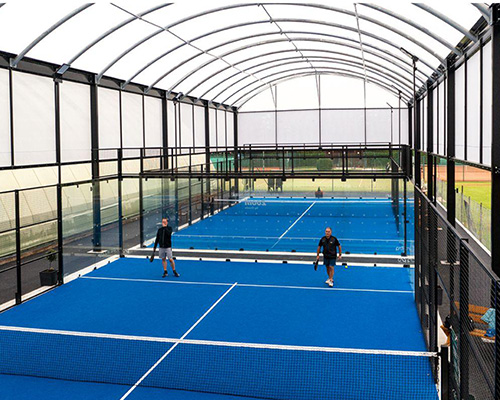
Urban padel courts in cities such as Madrid, Barcelona, or London typically cost $35,000–$70,000 per court. Professional clubs investing in hybrid surfaces, tempered glass, LED lighting, and fencing may spend $60,000–$65,000. Material shipping costs, strict urban zoning, and labor rates contribute significantly to these high prices.
Nordamerika
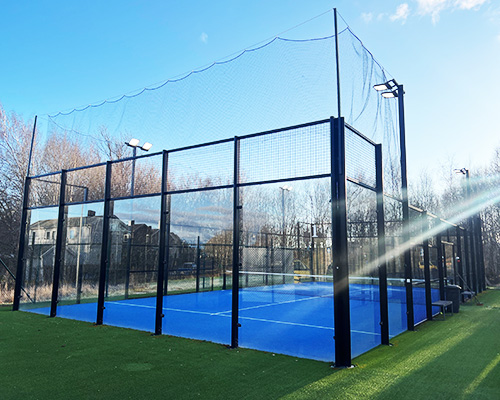
Costs in the United States and Canada are generally higher due to labor, materials, and import expenses. A rooftop court in Manhattan cost $98,500, including reinforced flooring, professional-grade LED lighting, and safety fencing. Suburban facilities may range from $50,000–$105,000 depending on site preparation, surface choice, and lighting requirements.
Lateinamerika
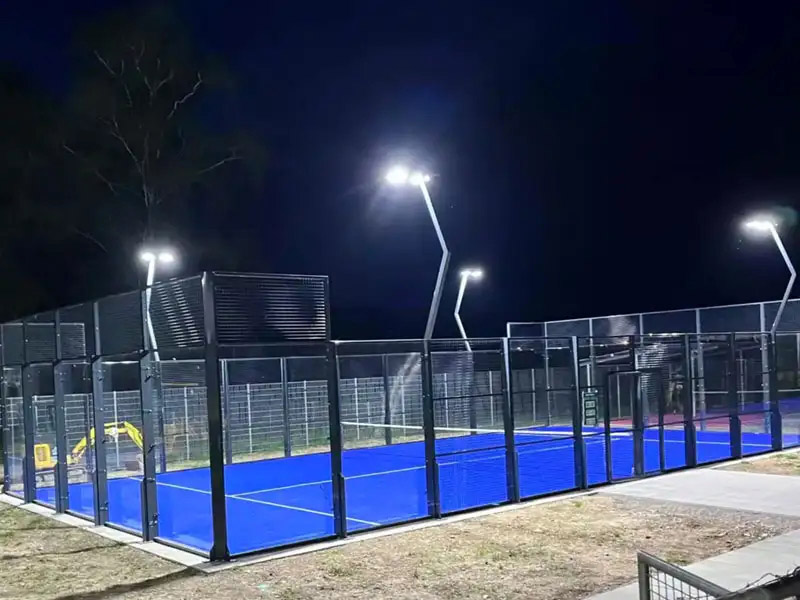
Lower labor costs in Latin America can partially offset the price of imported materials. For instance, a two-court facility in Sao Paulo cost $55,000, saving approximately $10,000 by using local construction teams while importing specialized turf and glass panels. Material sourcing, regional tariffs, and transportation can significantly impact the final price.
Tips for Cost Optimization
Optimize Material Choice
Using locally available turf, fencing, and glass reduces shipping and import costs. Opting for mid-grade surfaces with proven durability can balance performance and affordability. For example, Spanish clubs sourcing local synthetic turf saved 15% on material costs without compromising play quality.
Phased Construction
Spreading construction over phases allows better cash flow management. Install the playing surface first, followed by fencing, glass panels, and lighting. Phased construction ensures flexibility, enabling clubs to start operations sooner while completing upgrades progressively.
Combine Contractor Services
Hiring a single contractor for multiple tasks—turf installation, fencing, lighting, and glass panels—can reduce labor costs by 10–15%. Coordinated project management improves efficiency, reduces scheduling conflicts, and prevents errors.
Maintenance Planning
Regular inspection, cleaning, and minor repairs extend the court’s life and protect the initial investment. A proactive maintenance schedule, including turf brushing, drainage clearing, and LED light checks, minimizes costly long-term repairs. In Madrid, courts with quarterly maintenance reported 20% lower operational expenses compared to poorly maintained facilities.
Abschluss
Knowing how much it costs to build a padel court ensures informed decisions. Costs in 2026 range from $34,000 to $103,000 depending on location, materials, labor, and customization. By considering every factor—site, materials, labor, permits, and maintenance—you can build a durable, high-quality padel court that meets professional standards and delivers long-term value.
Häufig gestellte Fragen
Q1: Can DIY reduce costs?
Partial DIY for accessories is possible, but professional surface, glass, and lighting installation is recommended.
Q2: What is the expected lifespan of a padel court?
With proper materials and maintenance, courts last 20–25 years.
Q3: How long does construction take?
Typically 4–8 weeks depending on site preparation and material availability.
Q4: Are permits required?
Yes, most municipalities require zoning and building permits.
Q5: Can lighting be added later?
Yes, but pre-installed conduits reduce future labor and costs.
Kontaktieren Sie uns
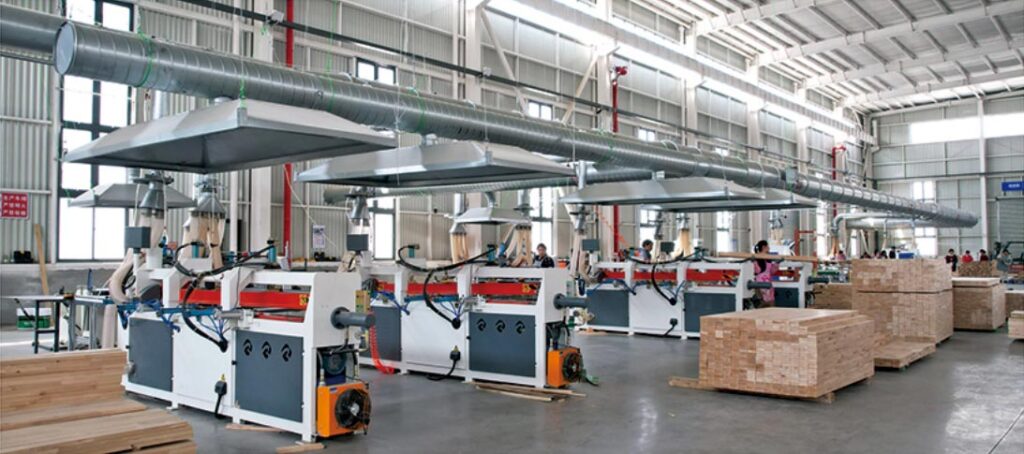
If you are planning to build a padel court and want professional guidance, please contact us. Our team provides full support from site analysis and material selection to installation and project management, ensuring efficient and cost-effective construction.