
Ratgeber
FIP Euro Padel Cup 2025: Europas aufregendste Padel-Meisterschaft aller Zeiten
Aktuelle Artikel
Inhaltsverzeichnis
Einführung
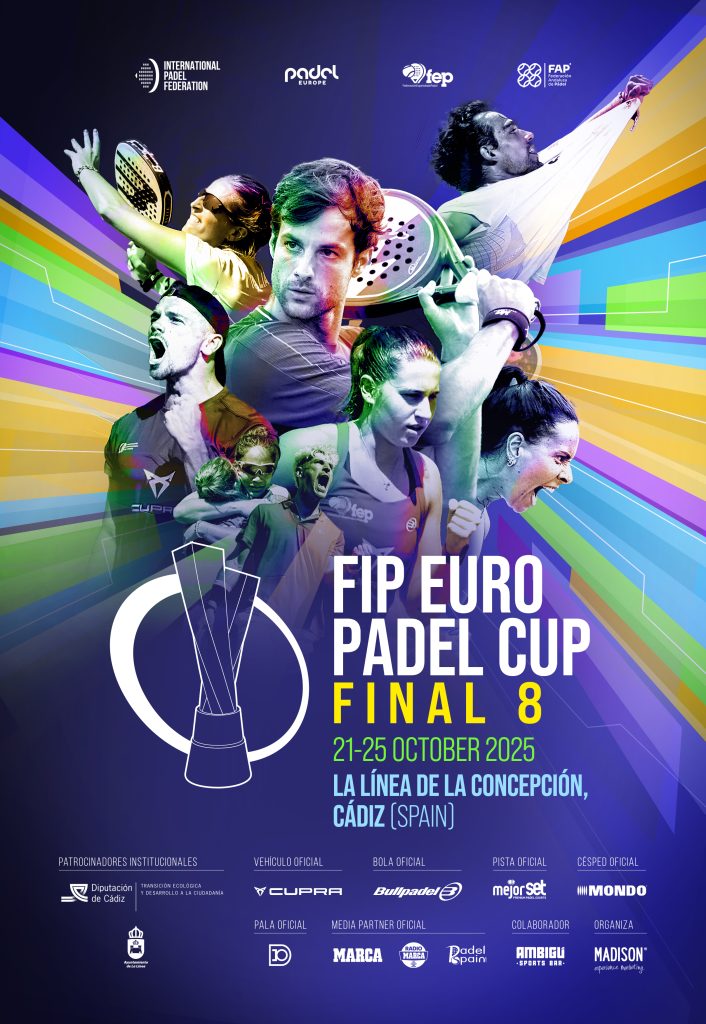
The 2025 FIP Euro Padel Cup marked a new era in European padel, expanding participation, introducing a multi-phase format, and showcasing rising stars across the continent. From thrilling matches in Madrid to the spectacular Final 8 in Cádiz, this edition set records in attendance, competitiveness, and fan engagement. Fans and players alike described it as the most exciting chapter in European padel history, blending athleticism, strategy, and a festival-like atmosphere.
Key Highlights of This Blog
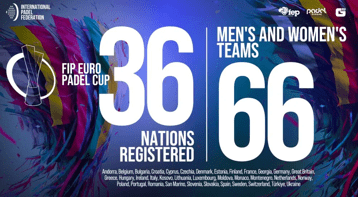
- Record-breaking participation: 66 national teams, including emerging nations
- Multi-phase format: Phase 1, Phase 2, and Final 8 for heightened competitiveness
- Double gold for Spain in men’s and women’s divisions
- Breakout performances from the Netherlands, Italy, and Portugal
- Tactical insights and unforgettable matches
- Rich fan culture and community engagement
- Organizational excellence and logistical achievements
- Legacy and the future of European padel
A New Era: The Birth of the FIP Euro Padel Cup
The FIP Euro Padel Cup evolved from the traditional European Padel Championships to a continental competition designed for broader participation. Initiated by the International Padel Federation (FIP), this tournament responded to the rapid growth of padel across Europe. FIP President Luigi Carraro described it as a response to “exceptional growth” in participation, reflecting the sport’s global rise.
In its first edition under this format, 66 national teams competed — 36 men’s teams and 30 women’s teams — including emerging padel nations such as Andorra, Cyprus, Greece, Luxembourg, Romania, Slovakia, and Lithuania. This represented a 50% increase compared to the previous European championships, showing how the sport is attracting new talent and investment.
The competition took place in three main phases, providing a structured path for both new and established teams: Phase 1 and Phase 2 in Madrid, and the Final 8 in La Línea de la Concepción, Cádiz.
Multi-Phase Format: From Madrid to Cádiz
Der three-phase format maximized competitive opportunities, ensured every match mattered, and allowed new nations to shine.
Phase 1: Opening Battles in Madrid
- Dates: July 7–10, PadelG24 Club
- Objective: Offer emerging teams a chance to qualify for later stages
- Highlights:
- Diverse playing styles from underdog nations
- Experienced squads refined tactics and lineups
- Matches often featured high-intensity tie-breaks
Phase 2: Clash of Rising and Established Teams
- Dates: July 11–13, Madrid
- Objective: Combine Phase 1 qualifiers with mid-ranked seeded teams
- Highlights:
- Teams like Great Britain, the Netherlands, and Sweden showcased tactical sophistication
- Group tables were tightly contested, producing thrilling encounters
- Coaches emphasized strategic adjustments in live play
Final 8: Spain’s Ultimate Showcase
- Dates: October 21–25, La Línea de la Concepción
- Format: Round-robin group stages followed by knockout semifinals
- Venue: Iconic arena with open-air energy connecting fans to coastal climate
- Opening Ceremony: October 20, featuring dignitaries, team captains, and vibrant fan support
National Teams: Triumphs, Rivalries, and Breakthroughs
Spain: Dominance on Home Soil
- Men’s Final: Spain defeated Portugal in straight sets with cohesive team play and powerful serving
- Women’s Final: Spain overcame France through consistent tactical execution
- Fans created an emotional atmosphere with chants, banners, and packed stands
- Spain now holds the men’s European title 12 times in 14 editions
Portugal: Rising Contenders with Heart
- Energetic, tenacious style captivated audiences
- Advanced to men’s final, showing that youth development and technical coaching are paying dividends
- Portuguese players impressed with aggressive net play and precision volleys
Italy: Celebrations in Bronze
- Bronze medals in both men’s and women’s competitions
- Displayed strategic patience, versatility, and teamwork
- Highlighted the success of Italy’s investment in coaching and youth academies
Great Britain: Passion and Progress
- Women recorded a notable victory over Germany
- Men achieved a thrilling 2–1 win against Sweden
- Both squads showcased determination, teamwork, and adaptability
Netherlands: The Rise of a New Power
- Men’s team reached semifinals for the first time
- Average age: 24, demonstrating youth talent and fearlessness
- Tactical play included aggressive serves, quick transitions, and intelligent positioning
Sweden and Germany: Consistency and Spirit
- Sweden: disciplined defensive strategies, clutch shots under pressure
- Germany: composed, tactical play, frequently pushed higher-ranked teams to tie-breaks
Final 8 Team Overview Table
| Team | Division | Notable Players | Achievement |
|---|---|---|---|
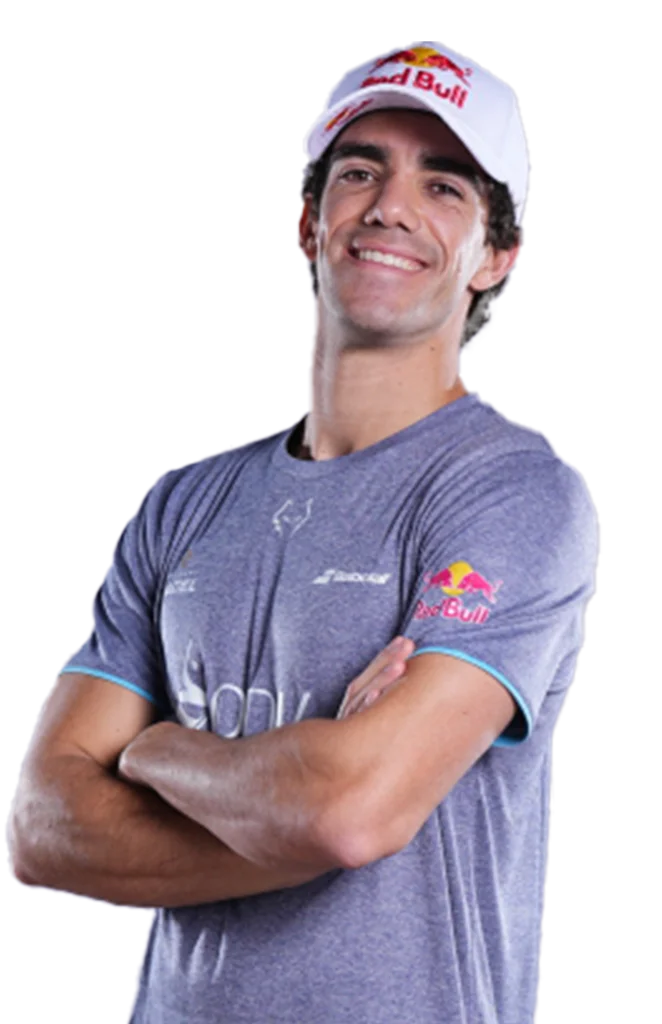
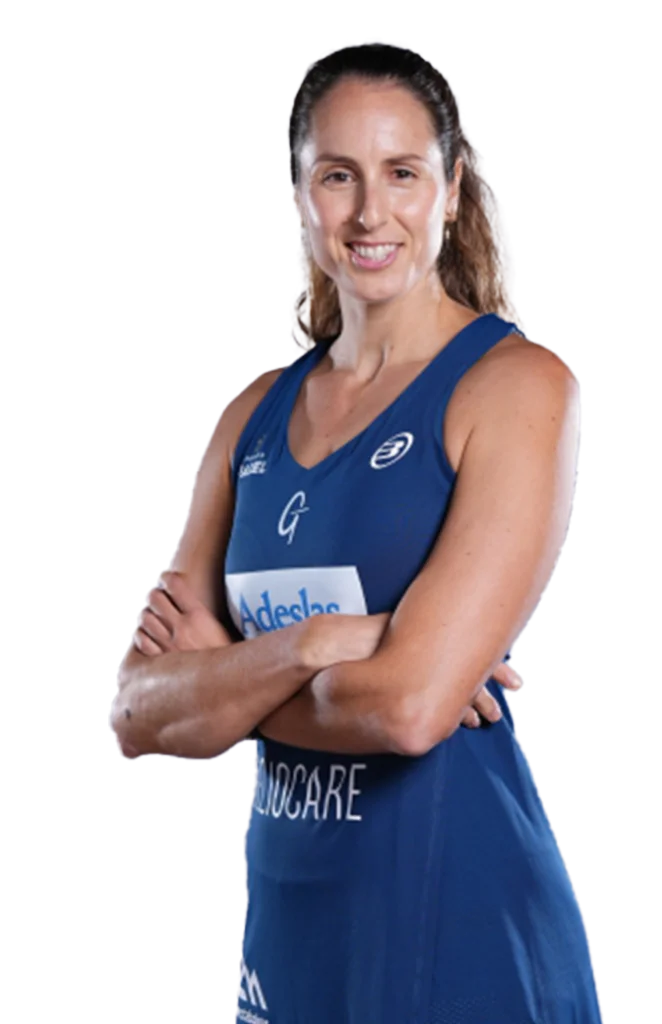
| Spanien | Men & Women | Juan Lebrón, Gemma Triay | Double Gold |
| Portugal | Men | João Sousa | Silver Medal |
| Italien | Men & Women | Matteo Berrettini, Sara Errani | Bronze Medals |
| Netherlands | Men | Lars van der Meer | Semifinals |
| Great Britain | Men & Women | N/A | Group Stage Highlights |
| Schweden | Men | N/A | Consistent Performance |
| Germany | Men & Women | N/A | Competitive Play |
| France | Women | N/A | Runner-Up |
Memorable Matches and Tactical Insights
- Netherlands vs Germany: Tactical masterclass with aggressive net play and cross-court precision
- Spain vs Portugal (Men’s Final): Powerful serves and defensive resilience
- Spain vs France (Women’s Final): Precision, patience, and teamwork under pressure
- Close contests in Cádiz featured dramatic momentum swings and high-stakes tie-breaks
Tactical Observations:
- Teams increasingly use data analytics for match preparation
- Aggressive net approaches dominate against defensive baseline play
- Mental resilience proved as important as physical skill
Fan Experience and Cultural Festival
The FIP Euro Padel Cup 2025 was more than a tournament — it was a cultural spectacle:
- Fans from across Europe mingled and celebrated their national teams
- Local festivals, music events, and fan zones enhanced engagement
- Families and young players attended, boosting youth interest in padel
- On-site fan interaction, social media coverage, and tournament apps improved accessibility
Behind the Scenes: Organizational Excellence
- Coordination between FIP, Padel Europe, Spanish Padel Federation, and local authorities
- Logistics included: accommodation, court scheduling, broadcasting, and media coverage
- Madrid: indoor facilities for early stages, ensuring uninterrupted play
- Cádiz: seaside charm and festival atmosphere for the climactic Final 8
Youth Development and the Future of European Padel
- Grassroots programs expanded across Europe: Finland, Eastern Europe, and Southern Europe
- Youth camps coinciding with tournament dates showed increased participation
- Rising players gained exposure and inspiration from top-tier competition
- Discussions on Olympic inclusion and global expansion accelerated
Legacy: Records, Rising Nations, and Lasting Impact
- Record participation: 66 nations
- Emergence of new powers: Netherlands, Italy, Portugal
- Spain: double gold in men’s and women’s competitions
- Increased competitiveness, fan engagement, and media coverage
- Highlighted European padel’s transition from niche sport to mainstream spectator event
Häufig gestellte Fragen
Q1: How many teams participated in 2025?
66 national teams, 36 men’s and 30 women’s squads
Q2: What was unique about the format?
Three phases: qualification battles, final qualification, and Final 8
Q3: Which nation won double gold?
Spain secured both men’s and women’s titles
Q4: Who were the breakout teams?
Netherlands reached men’s semifinals; Italy won double bronze
Q5: How did fans experience the event?
On-site celebrations, live streaming, fan zones, and cultural activities
Q6: What is the impact of the tournament on European padel?
Encourages youth development, increases competitiveness, and raises the sport’s profile
Q7: Are emerging nations competitive at this level?
Yes, countries like Netherlands, Portugal, and Italy challenged traditional powerhouses
Q8: How does this tournament influence future events?
Sets new standards for multi-phase competitions and prepares for potential Olympic inclusion