
Ratgeber
Wie baut man einen Padelplatz? Eine Schritt-für-Schritt-Anleitung für Anfänger
Aktuelle Artikel
Inhaltsverzeichnis
Why Should You Baue einen Padelplatz?
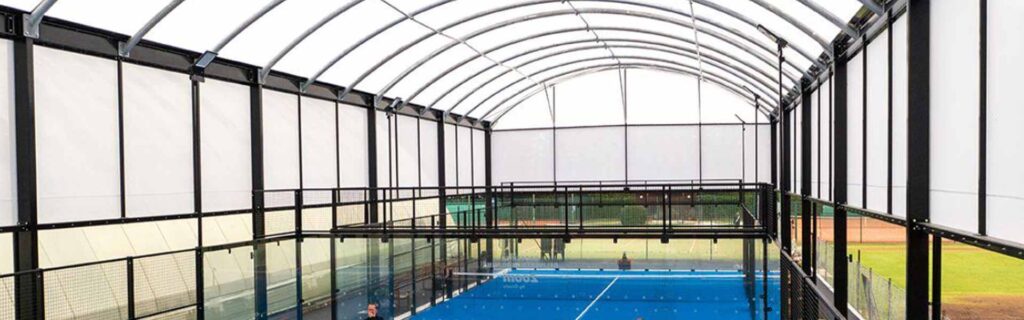
Building a padel court is more than installing flooring and walls—it’s creating a safe, fun, and professional-grade space for players of all ages. Whether it’s for a private backyard, a club, or a school, understanding the steps ensures durability, safety, and optimal performance. A well-planned padel court improves player experience, reduces long-term maintenance costs, and increases facility value.
Step 1: How Do You Choose the Right Location for a Padelplatz?
Step 1: How Do You Choose the Right Location for a Padel Court?
Location affects both playability and safety. The ideal site should have flat ground, proper drainage, minimal exposure to direct sunlight, and limited wind interference.
Key Considerations:
- A north-south orientation is often recommended to reduce glare and shadows.
- Avoid low-lying areas that could flood during rain.
- Consider accessibility for players, spectators, and maintenance equipment.
Selecting the right location ensures consistent playing conditions, enhances player comfort, and reduces long-term maintenance issues.
Step 2: How Much Will It Cost and Do You Need Permits?
Estimate the total budget including ground preparation, foundation, fencing, glass walls, flooring, lighting, and accessories. Check local building codes and zoning laws. Most regions require permits for both private and public padel courts. Getting approvals early avoids delays and ensures legal compliance.
Step 3: Should You Build an Innenbereich oder Freiplatz?


Indoor courts are protected from weather, provide consistent play conditions, and require less seasonal maintenance. Outdoor courts are more cost-effective and integrate naturally into parks or private properties but require drainage and weather-proofing solutions.
Material Choices: What Flooring Is Best?
Artificial turf is comfortable, moderately easy to maintain, and absorbs impact well. Synthetic flooring offers high durability, consistent bounce, and minimal maintenance. Sand-filled surfaces provide a natural feel but slower play and higher upkeep.
Step 4: How Do You Prepare the Site and Foundation?
What Happens During Ground Excavation?
Clear debris, level the land, and dig according to court dimensions. Proper drainage planning is crucial for outdoor courts to prevent water damage and uneven surfaces.
How Do You Build a Stable Base?
Install a concrete slab or compacted stone sub-base to support flooring and structural elements. A solid foundation prevents future cracks and ensures long-term safety.
Step 5: How Do You Install the Frame and Structural Supports?
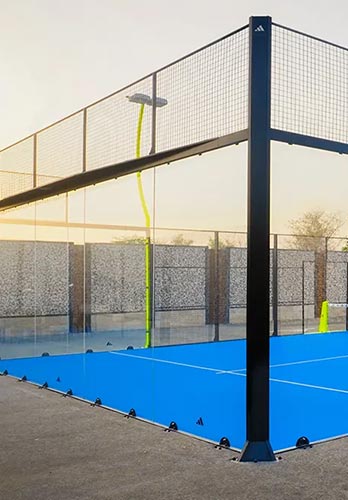
The frame includes fencing or glass wall supports. Proper installation is essential for player safety and maintaining the court’s professional dimensions.
Considerations:
- Glass walls offer a professional look and better spectator visibility.
- Mesh fencing is more cost-effective and easier to repair.
- Ensure all support posts are securely anchored into the foundation.
Precise alignment and sturdy construction prevent accidents and prolong the court’s lifespan.
Step 6: How Do You Lay the Court Flooring?
Install the selected surface according to professional standards. Ensure level and smooth surfaces, test for traction and ball bounce, and adjust for uniformity across the court. This step guarantees consistent gameplay and reduces player injuries.
Step 7: How Do You Set Up Nets, Posts, and Accessories?
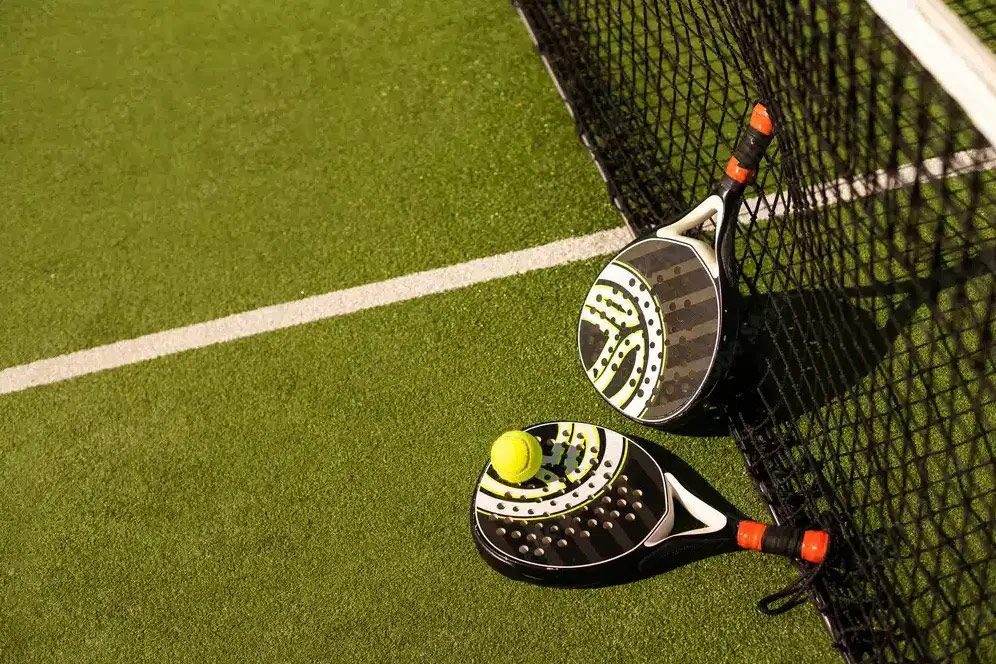
Install the net system and posts, ensuring correct tension and height according to regulations. Add accessories such as benches, LED lighting, and signage for safety and convenience.
Tips:
- Use weather-resistant materials for outdoor courts.
- Ensure posts are aligned with court markings for fair play.
- Consider adding an overhead shade or small roof for sun protection.
Step 8: How Do You Inspect and Test Your Court?
Before use, check structural stability of walls and fences, inspect surface level, traction, and drainage, and conduct test games to adjust net height and floor evenness. Final testing ensures safety, performance, and player satisfaction.
Step 9: How Do You Maintain Your Padel Court?
What Daily Maintenance Is Needed?
Clean artificial turf, synthetic flooring, and glass walls regularly to prevent dirt buildup and wear. Minor repairs, if done promptly, prevent major damage and extend lifespan.
What Seasonal Checks Are Important?
Outdoor courts need inspection of drainage, fencing, and lighting systems to prevent weather-related damage and extend court lifespan.
Parameter Comparison: Choosing the Right Court Type and Flooring
| Besonderheit | Hallenplatz | Freiplatz | Kunstrasen | Synthetic Flooring |
|---|---|---|---|---|
| Kosten | Hoch | Medium | Medium | Hoch |
| Weather Protection | Full | Beschränkt | Mäßig | Hoch |
| Wartung | Niedrig | Mäßig | Mäßig | Niedrig |
| Playability | Consistent | Variable | Moderate-speed | Fast and Consistent |
| Haltbarkeit | Hoch | Medium | Medium | Hoch |
| Lifespan | 15+ years | 10–12 years | 8–10 years | 12–15 years |
This table helps readers make informed choices based on budget, usage, and maintenance preferences.
Real-Life Examples: How Others Built Their Padelplätze
Community Park
A local park installed an outdoor padel court with synthetic flooring and solar-powered LED lighting. The court became a hub for community tournaments and recreational play, showing the social impact of a well-built court.
Private Club
A private club built an indoor court with tempered glass walls. Members enjoyed year-round play, and membership increased within the first year due to professional-grade conditions.
University Facility
A university integrated a padel court into its sports program. Instructors tracked participation and performance metrics, improving engagement and ensuring safe, structured activities.
Abschluss
Building a Padelplatz requires planning, material selection, and professional installation. By following the step-by-step process, you can ensure a safe, durable, and high-performing court that meets your needs.
Need specific advice for your padel court project? Contact our engineers today for personalized guidance, custom design solutions, and expert construction support.roject? Contact our engineers today for personalized design solutions, construction support, and expert consultation.
Häufig gestellte Fragen
Wie lange dauert der Bau eines Padelplatz?
Typically 4–8 weeks, depending on site preparation, materials, and weather conditions.
Kann ich ein Padelplatz in a small backyard?
Yes, with careful planning and adjustments to dimensions, backyard courts are feasible.
Indoor or outdoor—which should I choose?
Indoor courts offer controlled conditions and lower maintenance. Outdoor courts are cost-effective but require seasonal care.
Which flooring type lasts the longest?
Synthetic flooring is generally the most durable with minimal maintenance.
Do I need a permit to build a private Padelplatz?
Yes, most regions require construction permits, zoning approval, and adherence to safety regulations.
How much maintenance will my outdoor court need?
Routine surface cleaning, seasonal inspections, and minor repairs are necessary to keep the court safe and functional.
Can I add lighting for night play?
Yes, solar-powered or electric lighting systems can be integrated for nighttime usage.
Can I convert an existing tennis or sports court into a Padelplatz?
Yes, with proper planning. Adjustments may include size modifications, surface replacement, fencing, and net installation.
Is professional installation necessary, or can I do it myself?
Professional installation is recommended for safety, durability, and compliance with official standards. DIY options exist but may risk uneven surfaces or structural instability.
Can lighting and other accessories be added later?
Yes, most courts allow for retrofitting of LED lights, benches, and scoreboards. Planning for conduit and power supply during construction makes future upgrades easier.