
Ratgeber
Types of Tennis Courts: A Complete Buyer’s Guide from the Manufacturer
Aktuelle Artikel
Inhaltsverzeichnis
Choosing the right tennis court surface is a critical decision for sports clubs, schools, contractors, and facility developers. The different types of tennis courts vary significantly in performance, durability, maintenance requirements, and overall cost.
As a professional tennis court surface manufacturer, we work closely with commercial and institutional clients worldwide. This guide explains the most common tennis court types, compares their key differences, and helps you select the best solution for your specific project.
What Are the Main Types of Tennis Courts?
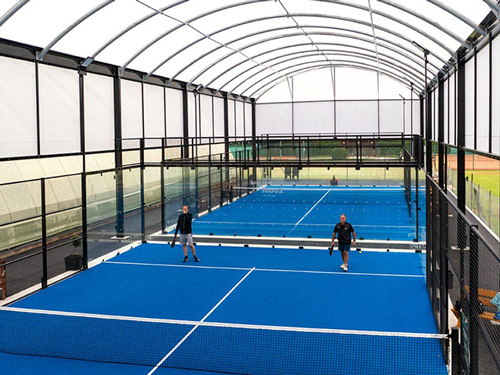
Modern tennis facilities typically use four main types of tennis courts, classified by surface material. Each type delivers a distinct playing experience and suits different applications.
Hard Court Tennis
Hard courts are the most widely used tennis courts globally. They are usually constructed with concrete or asphalt bases and finished with acrylic surface layers.
Hard courts offer:
- Medium to fast playing speed
- Consistent ball bounce
- Long service life
They are commonly used in schools, clubs, and professional tournaments due to their durability and balanced performance.
Clay Court Tennis
Clay courts can be natural clay or artificial clay systems. They are known for slower ball speed and higher bounce, encouraging longer rallies.
Key characteristics include:
- Reduced impact on players’ joints
- Slower pace, ideal for training
- Higher maintenance compared to hard courts
Clay courts are popular in tennis academies and regions with traditional European playing styles.
Grass Court Tennis
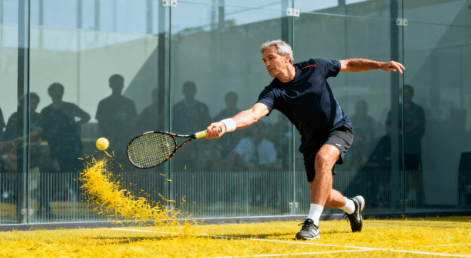
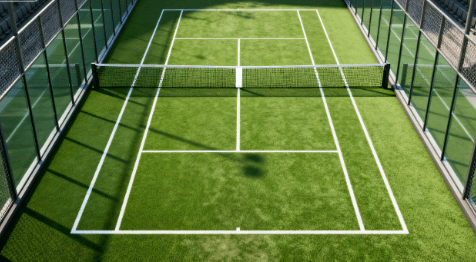
Grass courts are the fastest tennis court type and require specialized maintenance. Natural grass courts are rare outside professional venues, while synthetic grass systems are more common for commercial use.
Grass courts offer:
- Low ball bounce
- Fast-paced gameplay
- Limited durability under heavy use
They are best suited for controlled environments or specialty facilities.
Synthetic Tennis Courts
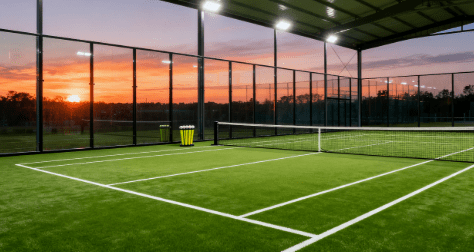
Synthetic tennis courts include acrylic systems, polyurethane (PU) surfaces, and modular sports flooring. These surfaces are increasingly popular for modern sports facilities.
Advantages include:
- Customizable performance and colors
- Excellent weather resistance
- Lower long-term maintenance
From a manufacturer’s perspective, synthetic courts provide the greatest flexibility for commercial projects.
Different Types of Tennis Courts by Surface Material
Understanding surface materials helps buyers match performance expectations with budget and usage needs.
Acrylic Tennis Court Surfaces
Acrylic surfaces are layered systems applied over concrete or asphalt. They are suitable for both indoor and outdoor use and offer excellent durability.
Polyurethane (PU) Tennis Courts
PU tennis courts provide enhanced shock absorption, making them ideal for player comfort and injury reduction. They are commonly used in training centers and high-end facilities.
Modular Sports Flooring Systems
Modular systems are interlocking tiles designed for fast installation and multi-sport use. They are suitable for temporary or flexible sports venues.
How Different Types of Tennis Courts Affect Game Performance
The type of tennis court directly influences how the game is played.
- Ball Speed: Grass courts are the fastest, while clay courts are the slowest
- Bounce Consistency: Hard and synthetic courts offer the most predictable bounce
- Player Movement: Clay allows sliding, while hard courts require more abrupt stops
Choosing the right surface ensures the court matches the intended playing level and usage frequency.
Types of Tennis Courts Compared: Cost, Maintenance & Lifespan
The table below provides a simplified comparison of the most common tennis court types:
| Tennis Court Type | Initial Cost | Wartungsstufe | Expected Lifespan | Best For |
|---|---|---|---|---|
| Hard Court | Medium | Niedrig | 8–10 years | Clubs, schools |
| Clay Court | Medium | Hoch | 5–7 years | Training facilities |
| Grass Court | Hoch | Very High | 3–5 years | Professional use |
| Synthetic Court | Medium–High | Niedrig | 10+ years | Commercial projects |
From a long-term ROI perspective, synthetic and hard courts are often the most cost-effective solutions.
Best Types of Tennis Courts for Different Applications
Different facilities have different requirements, and no single surface fits all scenarios.
- Schulen und Universitäten: Hard or synthetic courts for durability and safety
- Clubs and Academies: Clay or PU courts for training-focused environments
- Professional Facilities: Customized hard or synthetic systems
- Residential or Backyard Courts: Low-maintenance synthetic solutions
As a manufacturer, we tailor surface systems to match each application precisely.
Innenbereich gegen Im Freien Tennis Courts: Which Type Should You Choose?

Indoor and outdoor tennis courts differ mainly in environmental exposure.
Outdoor courts require:
- UV resistance
- Effective drainage
- Weather-stable materials
Indoor courts prioritize:
- Shock absorption
- Consistent surface performance
- Lower environmental wear
Synthetic and acrylic systems perform well in both settings when properly specified.
How to Choose the Right Type of Tennis Court for Your Project
When selecting among different types of tennis courts, consider:
- Budget and lifecycle cost
- Expected daily usage
- Player level and safety requirements
- Local climate and regulations
Consulting directly with a manufacturer helps avoid costly mistakes during construction and material selection.
Why Buy Tennis Court Surfaces Directly from a Manufacturer?
Working with a factory-direct supplier offers clear advantages:
- Competitive pricing without intermediaries
- Custom surface design, colors, and line markings
- Strict quality control and certified materials
As a tennis court surface manufacturer, we support projects from design to installation.
Tennis Court Construction and Installation by Surface Type
Construction typically includes:
- Base preparation and leveling
- Surface system installation
- Line marking and final inspection
Our technical team provides installation guidance to ensure optimal performance and longevity.
Custom Tennis Court Surface Solutions for Commercial Projects
We offer customized solutions for:
- Multi-court sports complexes
- Clubs and tennis academies
- International commercial projects
OEM and private-label services are available for contractors and distributors.
Abschluss
Understanding the different types of tennis courts is essential for building a facility that delivers long-term performance, safety, and value. Each surface type has unique advantages depending on usage, budget, and environment.
As an experienced tennis court surface manufacturer, we provide factory-direct, customizable solutions for commercial, institutional, and private projects. From material selection to construction support, we help clients choose the right tennis court system with confidence.
Looking for a reliable tennis court surface supplier?
Contact us today to discuss your project requirements and receive professional recommendations directly from the manufacturer.
Häufig gestellte Fragen
What are the main types of tennis courts?
The main types of tennis courts include hard courts, clay courts, grass courts, and synthetic courts. Each type differs in playing speed, maintenance needs, and suitability for different facilities.
Which type of tennis court is the most durable?
Hard courts and synthetic tennis courts are generally the most durable. When properly constructed, they can last over 8–10 years with minimal maintenance.
What is the best type of tennis court for commercial facilities?
For commercial projects, synthetic and hard tennis courts are the most popular choices due to their long lifespan, low maintenance requirements, and consistent performance.
How do different types of tennis courts affect gameplay?
Different types of tennis courts affect ball speed, bounce, and player movement. Grass courts are the fastest, clay courts are the slowest, and hard courts offer balanced performance.
How do I choose the right type of tennis court for my project?
Choosing the right type of tennis court depends on budget, usage frequency, player level, climate, and maintenance expectations. Consulting directly with a tennis court surface manufacturer helps ensure the best solution.
Need Help Choosing the Right Type of Tennis Court?
If you’re unsure which tennis court surface is best for your project, our experts are here to help. As a professional tennis court surface manufacturer, we provide tailored recommendations based on your budget, usage, and site conditions. Contact us today for a personalized consultation and ensure your tennis court delivers long-term performance, safety, and value. Don’t leave your decision to chance—get in touch now and build with confidence.