
BLOG
Step-by-Step Guide: 5 Steps on How to Build a Padel Court
Recent Articles
Table of Contents
Introduction
Padel has emerged as one of the most rapidly growing sports in the world, blending elements of tennis and squash into a fast, sociable game. Whether you are a property owner, sports facility manager, or enthusiast with a backyard project, learning how to build a padel court successfully is critical to ensuring long‑lasting performance and optimal playing conditions. The sport’s increasing popularity has also meant a rise in demand for high‑quality construction materials, specialized tools, and products that make the building process more efficient and the final court more durable.
In this comprehensive guide, we will explore the five major steps of construction, key product recommendations, equipment you might need, realistic cost estimates, relevant policy considerations in different regions, and practical tips for maintenance and long‑term use. This article provides an end‑to‑end roadmap for anyone serious about creating a professional‑grade padel court.
Step 1: Planning, Site Selection, and Pre‑Construction Products
The first step in how to build a padel court is careful planning and selecting the right location, which sets the foundation for every subsequent phase of construction.
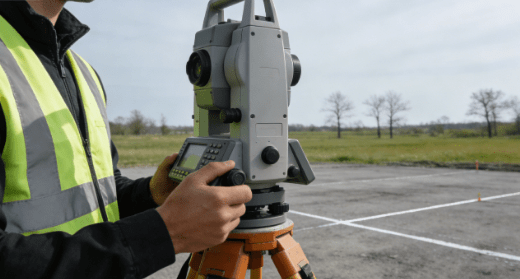
Site Analysis and Groundwork Tools
Before construction, you will need a set of tools and products to evaluate the site:
- Laser leveling kits – to check ground evenness and slope
- Soil testing kits – to determine soil compaction, drainage needs, and load‑bearing capacity
- Measuring wheels and surveying gear – for precise dimension verification
- Site marking paint and stakes – to outline the padel court perimeter
These products help ensure that the ground is suitable and identify potential issues such as poor drainage or uneven terrain that could impact court quality.
Planning Products and Software
Modern builders often use CAD (computer‑aided design) software or specialized sport‑facility planning tools to draft court blueprints. These tools allow you to:
- Adjust court orientation to minimize sun glare
- Evaluate wind patterns for outdoor courts
- Integrate drainage plans and lighting layouts
Design plans should comply with sport federation recommendations if you aim for tournament‑grade courts.
Local Regulations and Permitting
Understanding local building regulations is essential. Different countries and municipalities have varying requirements for permits, utility approvals, environmental impact assessments, and public safety compliance.
For example:
- In parts of Europe, submitting detailed engineered plans, structural drawings, and lighting plans is mandatory.
- In the United States, you might need separate electrical permits for lighting and power installations.
- In Australia and Canada, zoning clearances and environmental assessments may be requested, especially for outdoor installations near protected areas.
Allow 4–12 weeks for permitting in many jurisdictions, and remember that permit fees and inspection costs contribute to overall project expenditure.
Step 2: Ground Preparation, Sub‑Base, and Surface Materials
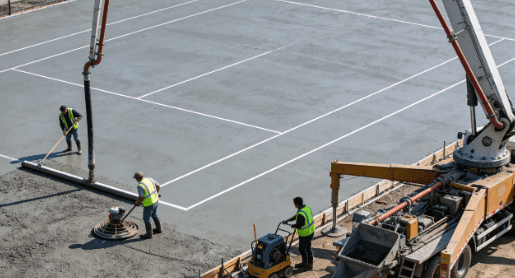
Once planning is complete, the next step in how to build a padel court is preparing the ground and constructing the base and surface. This phase significantly affects durability, playability, and longevity.
Excavation and Sub‑Base Products
The quality of the sub‑base directly influences how the court withstands use and weather effects. Key equipment and materials include:
- Mini excavators and skid steer loaders – for clearing and leveling earth
- Compactors and plate tampers – to ensure a stable sub‑base
- Crushed stone and gravel aggregates – typical sub‑base materials that provide drainage
- Geotextile fabrics – to prevent soil erosion and improve load distribution
A well‑prepared sub‑base minimizes future cracking and water accumulation.
Concrete vs. Asphalt Base
Two primary base materials are used in padel court construction:
1. Reinforced Concrete Slab
Concrete slabs are highly durable and resist deformation. Typical products include:
- Ready‑mix concrete trucks
- Rebar and wire mesh reinforcement systems
- Concrete finishing tools (trowels, power floats)
Concrete is generally more expensive but offers superior rigidity.
2. Asphalt Base
Asphalt is slightly more flexible and can reduce some structural costs:
- Asphalt paving machines
- Rollers and compactors
- Asphalt mix (hot mix is preferred)
Asphalt can be 10–15% cheaper than concrete but may require more maintenance over time.
Surface Covering Materials
The choice of surface covering dramatically impacts ball behavior and player comfort. Common surface products include:
- Artificial turf with sand infill – the most popular surface for padel courts, providing good traction and consistent bounce
- Synthetic athletic surfaces – multi‑layer PU or acrylic systems that offer cushioning
- Specialized padel turf – engineered with fiber types optimized for padel play
Top‑quality artificial turf products often include UV protection and drainage perforations to maintain performance in various weather conditions.
Step 3: Fencing, Glass Walls, Net Systems, and Court Hardware
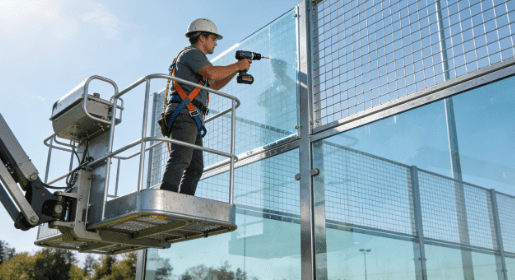
The structural elements that define the court—walls, fencing, gates, and net systems—are essential to playing experience and safety.
Glass Walls and Steel Mesh Fencing
A regulation padel court typically features:
1. Tempered Glass Walls
- 10 mm or thicker tempered glass panelsStainless steel fitting hardwareShock‑absorbing rubber gaskets
2. Steel Mesh Fencing
- Welded wire mesh panelsGalvanized or powder‑coated for corrosion resistanceAdjustable tensioning kits
Net System Products
The net system includes:
- Padel nets with reinforced center straps
- Steel or aluminum net posts
- Tensioning devices – to maintain regulation net height
Quality net systems resist sagging and endure frequent use. Choose nets with UV‑resistant cords for outdoor courts.
Court Lighting and Electrical Products
Proper illumination expands usable hours and improves safety:
- LED floodlights – high‑efficiency lighting with adjustable beams
- Electric conduits, junction boxes, and underground wiring kits
- Timers and smart lighting controls – to program automatic on/off schedules
LED lighting reduces energy costs and provides uniform brightness. For tournament lighting, aim for a minimum of 300 lux average illumination across the court surface.
Step 4: Accessories, Player Amenities, and Operational Products
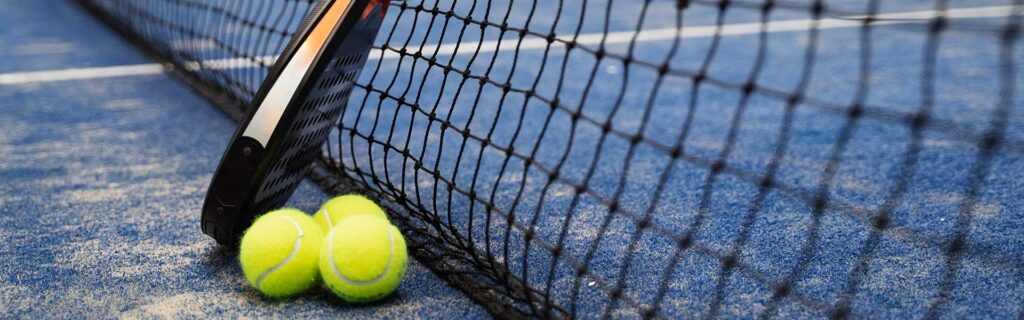
Beyond the core structure, a padel court benefits from accessories and operational products that enhance user experience and facility management.
Player‑Focused Accessories
Consider investing in:
- Benches and seating systems – ergonomic and weather‑resistant
- Ball holders and rack storage units
- Scoreboards (manual or digital) – helpful for tournaments
Player comfort amenities increase satisfaction and retention in club settings.
Weather Protection and Court Covers
Outdoor courts benefit from:
- High‑strength PVC or mesh court covers – to protect surfaces from rain and UV
- Windbreaks and shade sails – improve playability in windy or sunny conditions
These products can extend surface life and reduce maintenance frequency.
Cleaning and Maintenance Products
Routine court upkeep depends on the right products:
- Soft‑bristle brushes and mechanical sweepers – for surface debris removal
- Surface cleaners formulated for synthetic turf
- Shock pads and joint repair kits – for minor surface fixes
Regular maintenance preserves surface quality and reduces long‑term replacement costs.
Step 5: Maintenance, Insurance, Policies, and Long‑Term Management
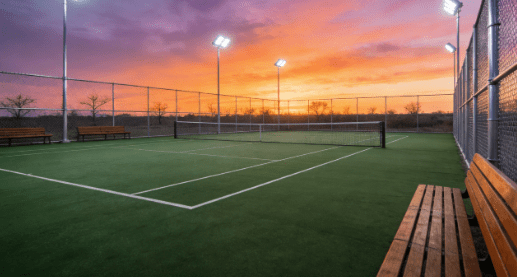
Completing construction is only part of the journey. The final step in how to build a padel court successfully involves long‑term care, policy compliance, insurance protection, and smart management.
Routine Maintenance Products
Court longevity hinges on preventive care. Key items include:
- Rotary brushes and grooming machines – to redistribute infill and keep turf upright
- Rust inhibitors – to protect metal fencing and frames
- Glass cleaning solutions and squeegees – for clear visibility and safety
Surface maintenance every 1–2 weeks helps retain court quality under frequent use.
Insurance and Liability Considerations
Insurance products for padel courts often include:
- Property and equipment coverage
- General liability insurance
- Player injury protection riders
Insurance costs vary, but allocating 3–6% of annual revenue (for commercial facilities) toward premiums is a common budgeting rule.
Policy and Community Planning
Different countries treat padel court projects uniquely:
- In Spain and Portugal, padel courts are widely accepted and integrated into public sports plans.
- In the Nordic countries, wind and snow load regulations may affect roofed court designs.
- In urban areas of North America, placement near residential zones might trigger lighting‑restriction policies or special noise‑abatement requirements.
Understanding these policies avoids costly redesigns or legal delays.
Typical Cost Breakdown: Constructing a Padel Court
Below is a mid‑project cost estimate for a standard outdoor padel court, including materials, products, and labor.
| Item Category | Estimated Range (USD) | Typical Products Included |
|---|---|---|
| Site Prep & Earthwork | $3,000 – $10,000 | Excavators, compactors, gravel |
| Sub‑Base (Concrete or Asphalt) | $8,000 – $30,000 | Rebar, ready‑mix, pavers |
| Synthetic Turf Surface | $4,000 – $15,000 | Turf rolls, infill sand |
| Glass Walls & Mesh Fencing | $7,000 – $20,000 | Tempered glass panels, wire mesh |
| Net System | $600 – $2,000 | Nets, posts, tension kits |
| Lighting System | $2,000 – $12,000 | LED floods, wiring, controls |
| Accessories & Amenities | $800 – $4,000 | Seating, scoreboards |
| Permits & Engineering Plans | $500 – $5,000+ | Permit fees, design costs |
| Insurance & Compliance Setup | $1,000 – $6,000 annually | Liability and property |
| Labor & Installation | $8,000 – $30,000+ | Skilled installers, electricians |
Total Typical Range: $34,900 – $134,000+
Actual costs depend on local labor rates, material choices, and site conditions. Commercial builds with multiple courts or indoor facilities generally sit at the higher end of this range.
Conclusion
Successfully building a padel court requires strategic planning, informed product choices, adherence to regulatory requirements, and ongoing operational management. This guide has walked you through the major phases of how to build a padel court—from site selection to construction products, surface materials, hardware, accessories, and long‑term maintenance tools.
By investing in quality products, considering long‑term maintenance from the start, and planning for permits and insurance, you can create a facility that satisfies both recreational players and competitive users for years to come.
Whether your project is a private backyard court, a community sports installation, or a commercial padel club, following these steps will help you achieve successful and sustainable results.
FAQ
Q1: How much time does it take to build a padel court?
A: Construction timelines vary, but outdoor padel courts typically take 6–12 weeks from site preparation to final inspection, depending on permitting, weather, and labor availability.
Q2: What surface is best for a padel court?
A: High‑quality artificial turf with sand infill is widely recommended for consistent bounce and cushion. Advanced synthetic athletic surfaces are also used in high‑end facilities.
Q3: Do I need professional contractors?
A: While some parts of construction can be DIY, major phases such as sub‑base engineering, concrete/asphalt laying, electrical work, and lighting installation are best handled by professionals.
Q4: What permits are typically required?
A: Common permits include building permits, electrical permits for lighting, drainage approvals, and zoning clearances. Costs and requirements vary widely by region.
Q5: How often does a padel court need maintenance?
A: Weekly brushing and cleaning is recommended for busy courts. Full surface inspection and professional grooming every 3–6 months helps extend lifespan and performance.