
BLOG
Tennis Court Construction: Materials, Costs, and Professional Solutions
Recent Articles
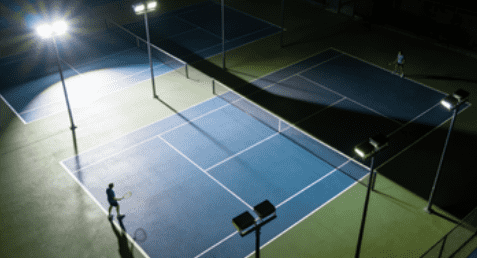
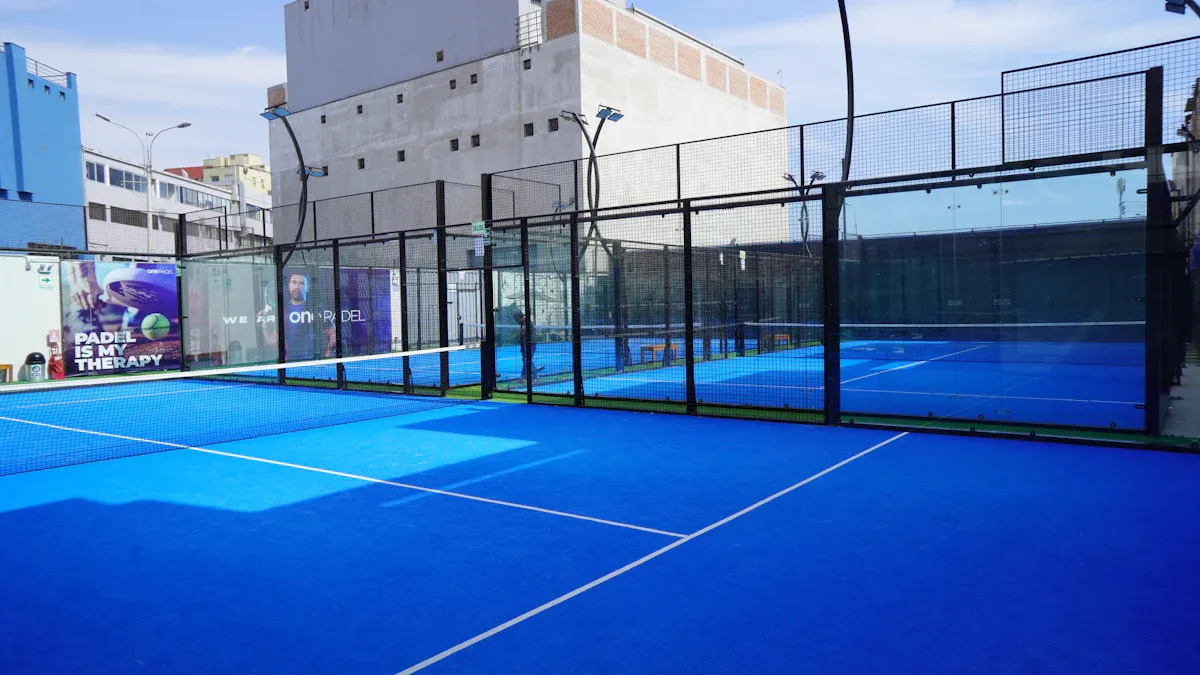
Building a high-quality tennis court requires more than basic installation work. From ground preparation to surface finishing, every stage influences durability, safety, and playing performance. Whether the project is residential, commercial, or professional, material quality remains the foundation of a reliable court system.
As a specialized manufacturer of sports court materials, we provide engineered surface solutions designed to meet performance requirements while ensuring long service life and consistent play.
What Is Tennis Court Construction?
A tennis court project involves a complete system approach, including site preparation, foundation development, surface application, and final detailing. When executed correctly, the result is a court that delivers predictable ball bounce, player comfort, and long-term structural stability.
Instead of focusing only on installation, experienced projects prioritize material selection, as surface systems and base layers directly affect maintenance needs and overall lifecycle cost.
Tennis Court Construction Process Step by Step
Site Evaluation and Ground Preparation
Each project starts with evaluating soil conditions, drainage capability, and site slope. Proper leveling and water management reduce the risk of surface damage and uneven wear over time.
Base Layer and Foundation System
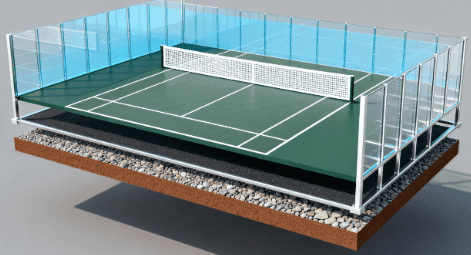
The base structure supports the entire court system. Concrete and asphalt foundations are selected based on climate conditions, usage intensity, and project budget. A well-prepared base helps prevent cracking and structural movement.
Surface Installation and Finishing
After the base cures, surface coatings and optional cushioning layers are applied. This stage determines texture, grip level, color consistency, and overall playing characteristics. Accurate line marking and inspection complete the process.
Types of Tennis Court Construction by Application
Residential Tennis Court Construction
Private and residential courts emphasize comfort, visual appeal, and moderate use. Material systems are often customized to balance performance with ease of maintenance.
Commercial Tennis Court Construction
Facilities such as clubs, schools, and community centers require surfaces designed for frequent play and heavy foot traffic. Durable coatings and reinforced systems help extend service intervals.
Professional and Tournament-Level Courts
High-level courts must comply with international standards for surface speed, friction, and bounce consistency. Precision-formulated materials and strict quality control are essential.
Tennis Court Construction Materials Explained
Acrylic Tennis Court Surface Systems
Acrylic surface systems are widely used due to their durability, weather resistance, and consistent playing response. They provide stable traction and color retention for both indoor and outdoor environments.
As a manufacturer, we control formulation and production to ensure uniform thickness, strong adhesion, and long-term performance across different projects.
Concrete and Asphalt Base Materials
Concrete bases offer excellent stability, while asphalt provides flexibility in certain climates. Choosing the right foundation material improves surface lifespan and reduces future repair work.
Cushion Layers and Shock Absorption Systems
Cushion layers enhance player comfort and reduce impact stress. These systems are commonly applied in training centers and recreational facilities where player safety is a priority.
How to Choose the Right Tennis Court Construction Materials
Selecting suitable materials depends on several practical considerations:
- Local climate and environmental exposure
- Expected usage frequency
- Maintenance planning
- Budget and long-term operational cost
Why Working with a Manufacturer Matters
Direct cooperation with a material manufacturer ensures stable quality, technical guidance, and customization options that align with specific project requirements.
Tennis Court Construction Cost Factors
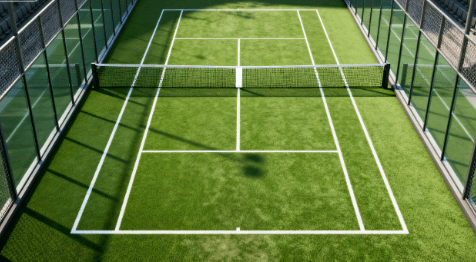
Project budgets vary depending on material systems, foundation design, and installation complexity. Understanding cost drivers helps buyers make informed decisions.
| Cost Factor | Influence on Project Cost | Optimization Approach |
|---|---|---|
| Surface System | High | Choose durable, tested materials |
| Base Structure | Medium | Proper preparation reduces repairs |
| Maintenance | Long-term | Quality coatings extend service life |
Cost Optimization Through Material Selection
Investing in high-quality materials reduces resurfacing frequency and minimizes downtime, lowering total ownership cost over time.
Indoor vs Outdoor Tennis Court Construction
Material Requirements for Indoor Courts
Indoor environments allow for smoother finishes and controlled performance. Surface systems focus on consistency, appearance, and stable traction.
Material Requirements for Outdoor Courts
Outdoor applications require UV resistance, moisture tolerance, and strong bonding properties to withstand temperature changes and weather exposure.
Common Tennis Court Construction Problems and How to Avoid Them
Typical issues include surface cracking, water pooling, and uneven bounce. These problems often result from poor material quality or insufficient base preparation.
How High-Quality Materials Prevent These Issues
Factory-tested systems with strict quality standards help prevent peeling, fading, and premature wear, ensuring reliable long-term performance.
Tennis Court Construction Standards and Performance Requirements
Professional courts follow international guidelines related to surface speed, friction, and color contrast. Using compliant materials ensures suitability for training and competitive play.
Why Choose a Professional Tennis Court Construction Manufacturer

Working directly with a manufacturer offers clear advantages:
- Factory-direct supply and pricing
- Consistent product quality
- Custom formulation capabilities
- Technical support from design to installation
Our surface systems are engineered to perform across a wide range of applications and environments.
Applications of Our Tennis Court Construction Materials
Our materials are widely used in:
- Schools and universities
- Sports clubs and training facilities
- Residential communities
- Commercial and professional venues
Each solution is adapted to meet usage demands and environmental conditions.
Conclusion
A successful tennis court project depends on thoughtful design, proper installation, and—most importantly—reliable materials. From foundation stability to surface performance, every component affects durability and player experience. As an experienced sports court material manufacturer, we provide proven solutions designed for long-term use and international compliance. Whether for private use or large-scale facilities, choosing the right material partner is the key to building a dependable, high-performance court.
FAQ
How long does tennis court construction usually take?
The timeline depends on site conditions, base preparation, and surface systems. Most projects are completed within a few weeks once materials and groundwork are ready.
What materials are most commonly used for tennis court surfaces?
Acrylic surface systems are widely used due to their durability, consistent play performance, and suitability for both indoor and outdoor applications.
How do I choose the right materials for my tennis court project?
Key factors include climate, expected usage, maintenance plans, and budget. Working directly with a manufacturer helps ensure proper material selection and long-term reliability.
What are the main factors that affect tennis court construction cost?
Surface systems, base structure, drainage design, and installation complexity all influence total cost. High-quality materials can reduce long-term maintenance expenses.
Why is material quality important in tennis court construction?
Quality materials improve surface durability, player safety, and performance consistency while reducing issues like cracking, fading, and frequent resurfacing.
Need Help Choosing the Right Tennis Court Construction Materials?
If you’re unsure which surface system or materials are best for your tennis court project, our experts are here to help. Contact us today for a personalized consultation, and get professional, manufacturer-direct solutions designed for long-lasting performance and consistent play. Don’t compromise on quality—get in touch now and build a tennis court you can rely on.