
مدونة
اللياقة البدنية المجتمعية: بناء منطقة لياقة بدنية فعالة في الحي
المقالات الأخيرة
Key Takeaways
- Understanding the benefits of community fitness areas in modern neighborhoods
- Identifying target users and fitness goals
- Choosing appropriate equipment for different age groups
- Planning space layout and safety considerations
- Integrating professional and smart fitness equipment
- Comparing different types of exercise equipment for informed selection
- Budget planning and procurement strategies
- Community engagement and long-term maintenance
جدول المحتويات
مقدمة
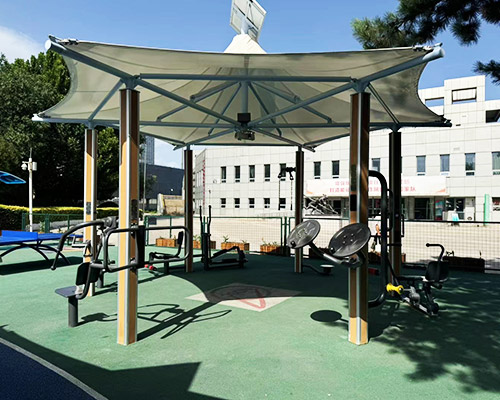
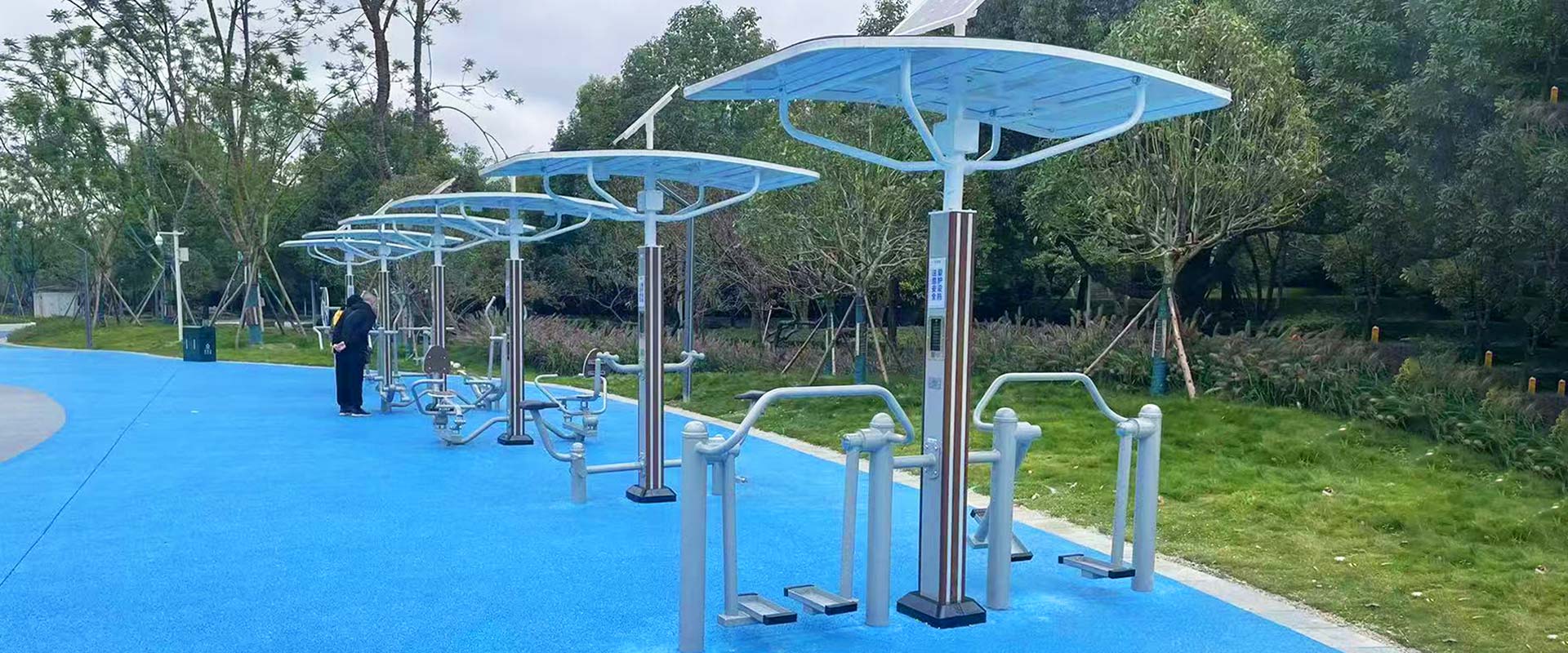
Community fitness areas promote physical health, mental wellness, and social interaction. Properly designed community fitness spaces allow residents to engage safely in cardiovascular exercises, strength training, flexibility workouts, and recreational activities. Studies show that neighborhoods with dedicated community fitness zones can increase resident participation in physical activity by 20–30%, enhancing overall quality of life. This guide focuses on community fitness, covering planning, equipment selection, layout, safety, digital integration, and sustainable operation in Western communities.
Defining Goals and Target Users
Target Population
Identify primary users: children, teenagers, adults, seniors, or mixed-age groups. Understanding the demographics helps select safe and effective equipment for community fitness zones.
Fitness Goals
- Cardio training: Improve heart health and endurance for residents using community fitness facilities
- Strength training: Enhance muscle strength and resistance in community fitness areas
- Flexibility & rehabilitation: Support stretching and recovery through community fitness programs
- Social activities: Encourage community interaction and engagement through group exercises
Usage Frequency
High-use community fitness areas require durable, slip-resistant, and waterproof flooring, while low-use zones can have more flexible, modular layouts to accommodate different activity levels.rproof flooring, while low-use areas can have more flexible, modular layouts.
Site Selection and Space Planning

Ground Conditions
Choose flat, well-drained, impact-resistant surfaces for safety and longevity.
Area Allocation
Divide spaces by activity: cardio, strength, stretching/yoga, children’s play, and outdoor sports.
Ventilation and Lighting
Ensure natural or mechanical ventilation and adequate daylight to improve comfort and psychological health.
Safety Distances
Maintain 1–2 meters between equipment to reduce collision risks.
Core Facilities and Equipment Selection
Cardio Zone

Treadmills, ellipticals, exercise bikes, intelligent rowers
- Ideal for daily cardiovascular training in community fitness spaces
- Non-slip bases, heart-rate monitoring, and digital tracking
SR-004 جهاز تجديف ذكي ثنائي الوضع: Exercises thighs and waist; each station supports 1 person, max 2 users simultaneously.
Exercise Bike: Enhances upper-limb flexibility; low-impact cardio suitable for all ages in community fitness programs.
Strength Training Zone
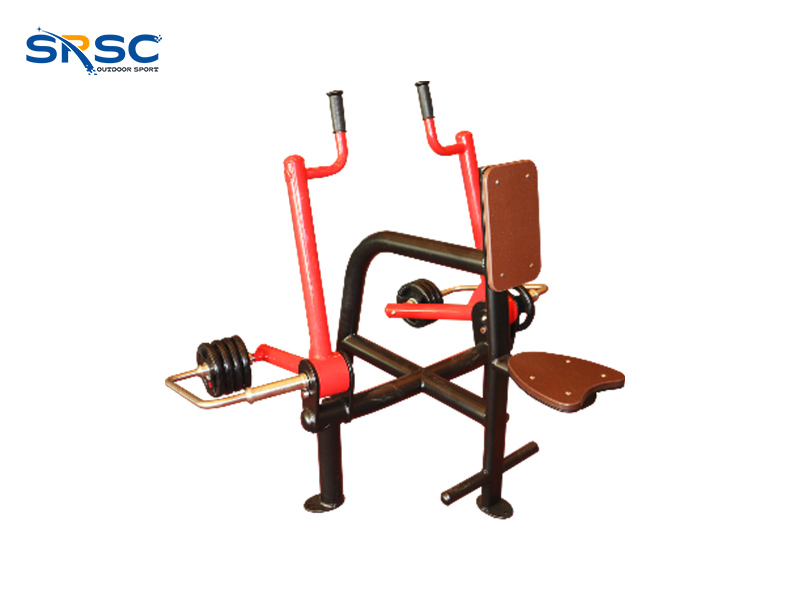
Multi-functional machines, dumbbells, kettlebells, barbell racks, upper-limb trainers
- Provides resistance training in community fitness facilities
- Equipped with pads and cushioning for safety
جهاز تدريب اختطاف الطرف العلوي SS-004: Strengthens posterior deltoids and upper-limb muscles; adjustable counterweights; rest interval minimum 3 minutes between sets.
جهاز تدريب ثنائي الذراع SS-005: Works latissimus dorsi and biceps; enhances elbow and shoulder flexibility; supports consecutive group exercises.
Leg & Knee Joint Zone

جهاز تدريب الركلة الجالسة SS-007: Targets quadriceps and knee function; low-impact with adjustable resistance for community fitness users.
Stretching & Yoga Zone
Yoga mats, resistance bands, foam rollers
- Supports flexibility, relaxation, and rehabilitation in community fitness areas
- Suitable for all age groups
Children’s Fitness Zone
Climbing frames, slides, balance beams, elastic flooring
- Includes safety barriers and cushioned mats
- Encourages coordination and fun physical activity in community fitness programs
Senior & Rehabilitation Zone
Handrail devices, walking machines, light dumbbells
- Low-impact, high-safety equipment for seniors
- Focused on joint health, balance, and light resistance training
Outdoor Sports & Recreational Zone

طوق كرة السلة الكهربائي القابل للطي (SRBH-1001), pull-up bars, balance bars, walking paths
- FIBA-certified professional basketball equipment: tempered glass backboard, aluminum alloy frame, microcomputer-controlled electric actuator
- Outdoor materials: corrosion-resistant, non-slip, sun-resistant, ideal for community fitness use
Safety and Maintenance
Flooring & Protection
- Non-slip rubber flooring to reduce fall risks
- Cushioned mats and barriers in children and strength zones
Equipment Safety
- Regularly inspect screws, connectors, and hydraulic systems
- Post usage instructions and warning signs
Environmental Protection
- Outdoor equipment resistant to wind, rain, and sun
- Adequate lighting and surveillance for night safety
Smart & Digital Integration
Intelligent Fitness Equipment
- Heart rate monitoring, resistance tracking, IoT dashboards
- Helps track user progress and optimize workouts
App-Based Management
- Booking, attendance, and class scheduling
- Promotes organization and community participation
Interactive & AR Facilities
- Touchscreens and AR devices
- Enhances engagement and social interaction
Community Fitness Area Layout Recommendations
| Zone Type | Area (sqm) | Key Equipment | Safety Considerations |
|---|---|---|---|
| Cardio Zone | 50–100 | Treadmills, ellipticals, exercise bikes, SR-004 rower | Non-slip flooring, spacing ≥1m |
| Strength Training Zone | 40–80 | Multi-functional machines, barbells, SS-004, SS-005 | Padding, cushioning, collision barriers |
| Leg/Knee Zone | 20–40 | جهاز تدريب الركلة الجالسة SS-007 | Adjustable resistance, rest intervals |
| Stretch/Yoga Zone | 20–40 | Yoga mats, resistance bands, foam rollers | Flat, non-slip surface |
| Children’s Zone | 30–60 | Climbing frames, slides, balance beams | Cushioned mats, safety barriers |
| Senior Rehab Zone | 20–40 | Handrail devices, walking machines | Low-impact, non-slip |
| Outdoor Sports Zone | Varies | Basketball hoop, pull-up bars, walking paths | Corrosion-resistant, sun/wind proof |
Budgeting and Procurement

- Core Factors: Quality, durability, ease of maintenance, vendor credibility
- Phased Procurement: Start with essential equipment; add smart or specialized devices later
- Cost Management: Balance durability with budget; prefer modular and expandable equipment
Community Engagement and Promotion
- Classes: Yoga, aerobics, running clubs
- Community Events: Fitness challenges, fun sports competitions
- Educational Campaigns: Equipment usage, safety rules, health knowledge
Long-Term Operation & Maintenance
- Regular Maintenance: Weekly equipment checks, monthly deep inspections
- User Feedback: Collect resident opinions to optimize layout
- Safety Training: Regular training for coaches and staff
خاتمة
بناء community fitness area requires careful planning of target users, equipment (including SS-004, SS-005, SS-007, SR-004 rower, and professional basketball hoops), layout, safety measures, digital integration, and sustainable operation. By accommodating diverse age groups, promoting participation, and implementing safety standards, neighborhoods can create healthy, inclusive, and long-lasting fitness environments that enhance resident wellbeing and social cohesion.
التعليمات
Who can use the community fitness area?
All ages, but equipment and classes should be tailored to different age groups and abilities for safety.
How often should equipment be maintained?
Cardio and strength equipment: weekly inspection; outdoor equipment: monthly deep maintenance.
Do digital tools increase participation?
Yes, IoT devices, mobile apps, and interactive challenges significantly improve engagement.
How to ensure children’s safety?
Use cushioned flooring, safety barriers, age-appropriate equipment, and adult supervision.
Can indoor and outdoor zones be combined?
Yes, integrated design allows year-round use and diverse exercise options.
How to choose cardio equipment?
Exercise bikes are low-impact; rowers offer full-body training. Choose based on space, user goals, and age group.
Are modular devices advantageous?
Yes, they are expandable and adapt to future community needs.
How to ensure accessibility for seniors?
Low-impact devices, handrails, non-slip flooring, and clear instructions promote safe usage.