
مدونة
Complete Padel Court Equipment Checklist
المقالات الأخيرة
Key Takeaways of This Guide
- Essential components required to build a professional padel court
- Differences between traditional and modern padel court equipment
- Step-by-step installation considerations
- Cost-effective vs premium padel court equipment options
- Tips for maintenance and long-term durability
Building a padel court involves more than just a flat surface. Proper padel court equipment ensures safety, durability, and optimal playing experience. Whether you are a club owner, sports facility manager, or individual looking to install a private court, knowing the complete checklist of equipment is essential. This guide provides a comprehensive overview of all components required for constructing a high-quality padel court.
جدول المحتويات
Padel Court Structure Components
Steel and Aluminum Frames
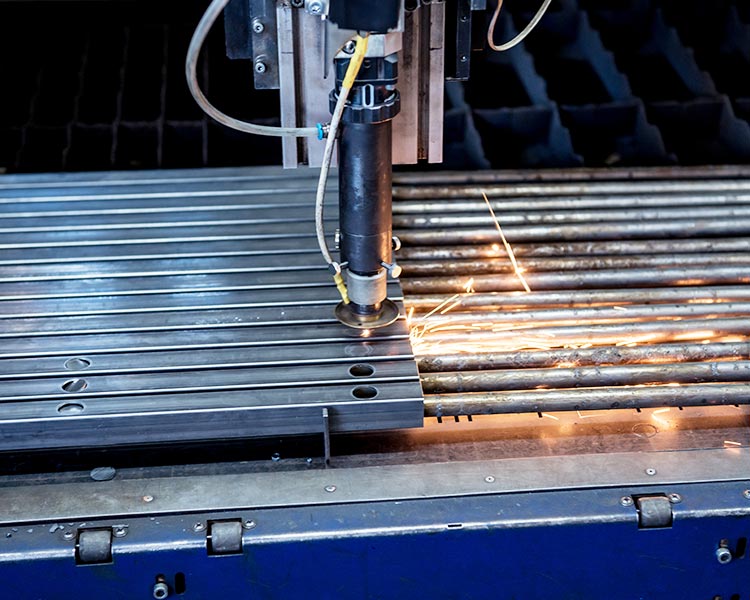
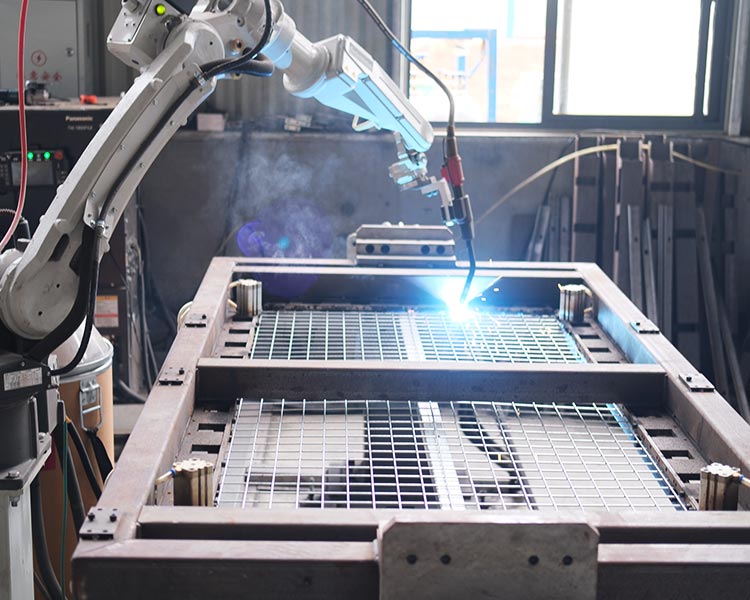
The frame is the backbone of a padel court, providing essential support for all other structures. Most professional courts utilize steel or aluminum frames to secure glass walls and mesh fencing. Steel offers high durability and can withstand strong winds and heavy loads, while aluminum is lighter and corrosion-resistant, especially in coastal or humid environments.
Frames must be properly anchored to a stable foundation to prevent any shifting over time. Quality frames are treated with galvanization or powder coating to enhance longevity and reduce maintenance.
Glass Wall Panels

Glass walls are critical for rebound play in padel, contributing both to gameplay quality and spectator visibility. Professional courts typically use tempered or laminated safety glass with thickness ranging from 10–12 mm.
Compliance with safety standards, such as EN 12150, ensures that glass panels are shatter-resistant, protecting players from injuries. Laminated glass also improves acoustic properties, reducing noise during play.
Mesh Fencing
Mesh fencing prevents balls from leaving the court and ensures player safety. Common materials include galvanized steel wire or PVC-coated steel wire mesh, typically extending 4 meters around the court perimeter.
The mesh should be tightly secured to the frame, with tensioning devices to maintain consistent performance over time. Regular inspections are recommended to identify wear or corrosion early.
Playing Surface and Ground Equipment
Synthetic Turf

Synthetic turf is the standard surface for ملاعب البادل, providing consistent bounce and player grip. The turf often includes infill materials such as sand, rubber granules, or a combination to enhance traction and durability.
Premium synthetic turf has a lifespan of 8–12 years, while budget options last approximately 5–7 years. Turf should be ITF-approved for professional competition, ensuring compliance with bounce and ball roll standards.
Base Layer and Drainage
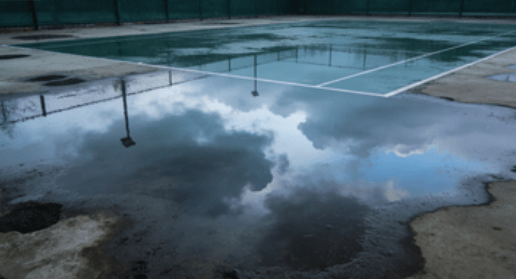
A properly constructed base layer ensures stability and longevity. Typically, compacted gravel or crushed stone is used beneath the turf, with a recommended thickness of 15–20 cm.
Drainage pipes, either perforated PVC or HDPE, are installed beneath the base to prevent water accumulation. A slight slope of 1–2% is recommended to facilitate natural drainage, reducing maintenance and prolonging turf life.
Installation Tools
Proper installation requires specific tools and equipment:
- Compactors: Ensure the base layer is firm and level.
- Rollers: Smooth out turf and infill for uniform playing surfaces.
- Laser Levels: Maintain flatness within ±2 mm for professional-grade courts.
- Brushes and Spreaders: Distribute infill evenly and prevent clumping.
Nets and Net Posts
Standard Padel Nets
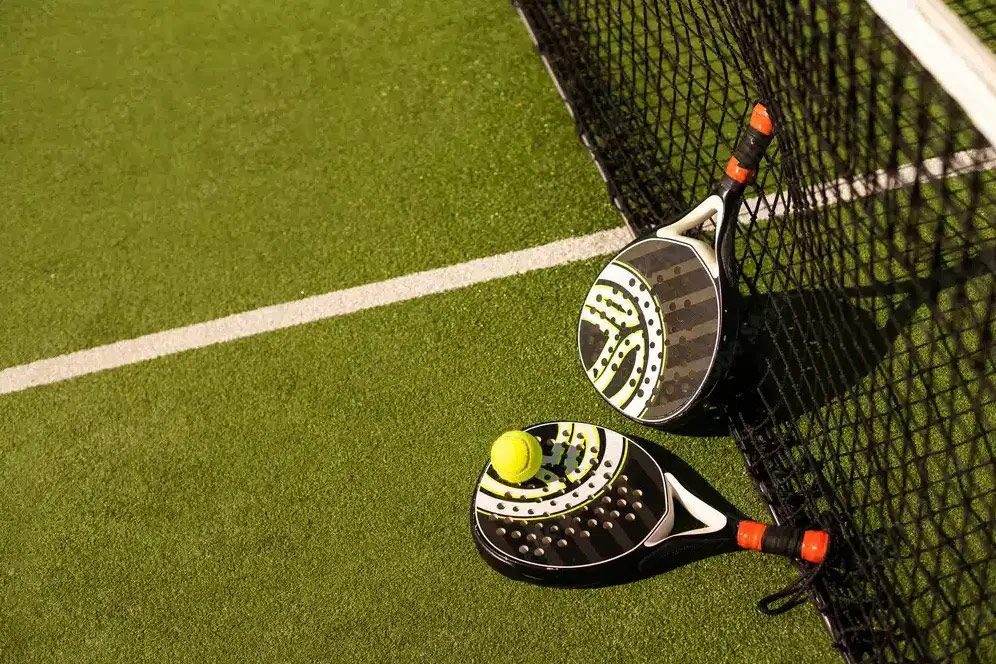
Padel nets have a standard height of 88–92 cm at posts and 91 cm at the center. They are constructed from durable polyester or nylon to withstand regular impact.
Maintaining proper tension is crucial to prevent sagging and ensure consistent gameplay. Nets should be inspected and adjusted regularly, especially in high-use courts.
Net Posts
- Usually made of steel or aluminum.
- Equipped with tension adjustment mechanisms.
- Ensure net remains level and compliant with ITF specifications.
Lighting and Electrical Equipment

قاد Court Lights
High-efficiency LED lights provide uniform illumination across the court, crucial for evening or indoor play. Recommended illuminance ranges from 400–500 lux, ensuring optimal visibility.
LED systems should be glare-free, weatherproof (IP65+ rating), and energy-efficient, reducing operational costs compared to traditional halogen systems.
Electrical Cabling and Control
Electrical cabling should be installed underground to eliminate tripping hazards. Timers, motion sensors, and automated switches can enhance energy efficiency and user convenience. Professional-grade wiring also ensures durability and minimizes maintenance requirements.
Additional Accessories
Entry Gates and Access Points
Lockable gates control access to the court, enhancing security and player safety. Smooth operation is essential, particularly for clubs or commercial facilities.
Seating and Spectator Areas
Seating options, from benches to small bleachers, enhance the viewing experience for spectators. Shade structures or canopies may also be added for comfort during daytime events.
Scoreboards and Technology
Scoreboards can be manual or electronic, with optional integration for live streaming or digital tracking. Cameras may be installed for recording matches or training sessions.
Comparison of Padel Court Equipment Options
| Equipment Category | Budget Option | Premium Option | Key Difference |
|---|---|---|---|
| Frame | Galvanized Steel | Powder-coated Aluminum | Durability vs weight and corrosion resistance |
| Glass Wall | Standard tempered glass | Laminated safety glass with higher impact resistance | Safety and rebound quality |
| Turf | Basic synthetic turf with sand infill | High-grade turf with sand and rubber infill | Player comfort and ball bounce |
| إضاءة | Standard LED floodlights | Smart LED system with dimming & energy saving | Energy efficiency and brightness uniformity |
| Net System | Manual tension | Automatic adjustable tension | Ease of maintenance and consistency |
Installation Considerations for Padel Court Equipment
Leveling and Foundation
A properly leveled foundation is essential to prevent uneven bounce and turf wear. Use compacted gravel and precision laser leveling tools.
Panel and Fencing Installation
Glass panels should be installed first for structural stability, followed by mesh fencing installation. Ensure mesh tension is even across all sides.
Turf Laying Techniques
Align turf rolls carefully, avoiding wrinkles or gaps. Gradually apply infill materials, using rollers to distribute evenly. Brush turf regularly to maintain upright fibers.
Lighting Setup
LED fixtures should be positioned to cover the entire court uniformly. Conduct tests for shadows or glare before completing installation.
Padel Court Maintenance Equipment
Cleaning Tools
Brush rollers or mechanical sweepers remove debris effectively. Pressure washing ensures the synthetic turf stays clean and free from dust or moss.
Safety Checks
Inspect glass panels and fencing for cracks, chips, or loose connections. Check net tension monthly and verify the operation of lights and electrical components.
Turf Maintenance
Replenish infill materials as needed to maintain proper playing characteristics. Grooming the turf prevents matting and uneven wear, extending the lifespan of the playing surface.
Case Study: Professional Padel Club in Spain
A professional padel club in Madrid upgraded to laminated glass walls and sand-rubber turf in 2020. Over three years, maintenance costs decreased by 25%, player injuries due to slips dropped by 15%, and player satisfaction scores increased significantly.
Industry Standards and Best Practices
- ITF Padel Court Regulations: Defines official court dimensions, net height, and surface standards.
- EN 12150: Safety standard for tempered glass.
- ISO 1461: Coatings for galvanized steel to prevent corrosion.
- FIFA Quality Turf: Optional certification for multi-sport synthetic surfaces.
خاتمة
اختيار الصحيح padel court equipment is crucial for building a safe, durable, and enjoyable playing environment. From steel frames and glass walls to synthetic turf, nets, lighting, and maintenance tools, each component contributes to the overall quality and longevity of the court. Whether opting for budget-friendly or premium solutions, understanding the complete equipment checklist ensures that your padel court meets both professional standards and user expectations.
By carefully selecting materials, following installation best practices, and maintaining equipment properly, clubs, resorts, and private owners can create courts that provide years of optimal performance.
التعليمات
Q1: What is the minimum space required for a standard ملعب البادل?
A: A standard court measures 20 x 10 meters, with an additional 2–3 meters of clearance around for safety and access.
Q2: Can I build a padel court indoors?
A: Yes, indoor courts require proper lighting, ventilation, and moisture control. Equipment like LED lights and drainage solutions is adapted accordingly.
Q3: How long does it take to install a padel court?
A: Installation typically takes 4–8 weeks depending on site preparation, equipment delivery, and labor.
Q4: Are premium padel court equipment worth the extra cost?
A: Premium equipment offers longer durability, better player comfort, and lower maintenance costs, which can justify the investment for clubs or commercial venues.
Q5: How do I maintain synthetic turf for a padel court?
A: Regular brushing, infill redistribution, and debris removal are essential. Occasional pressure washing keeps turf clean and maintains play quality.