
BLOG
Synthetic vs Natural Padel Court Surfaces: A Comprehensive Guide to Choosing the Best
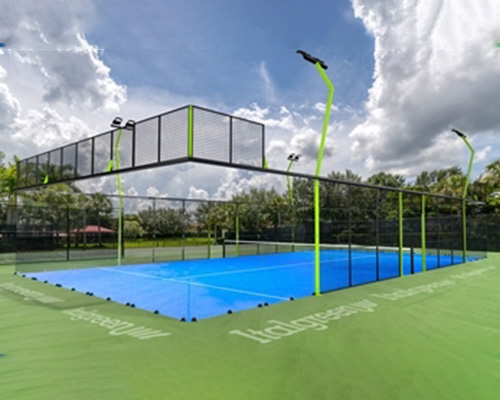
Recent Articles
Introduction
- Why padel court surfaces matter to gameplay and performance
- Key differences between synthetic and natural surfaces
- International standards for padel court surfaces
- How surface types affect ball bounce and player safety
- Durability, maintenance, and long‑term cost comparisons
- Case examples and best practices from current installations
- A detailed FAQ addressing common buyer and builder questions
Whether you’re planning to build a new court, renovate an existing one, or simply want to understand what surface is best for your club or home, this guide will walk you through the science, standards, and real‑world decisions behind padel court surfaces.
Table of Contents
Why Padel Court Surfaces Matter
The surface of a padel court plays a vital role in game speed, consistency, injury prevention, and durability. Unlike tennis or pickleball, padel features rapid lateral movements, controlled slides, and frequent changes in direction. All of this places higher demands on traction, shock absorption, and ball response than many other racket sports surfaces.
What Is a Padel Court Surface?
A padel court surface refers to the playable material covering the court — the layer that comes in direct contact with players and the ball. Most modern courts around the world use synthetic turf, while natural grass remains less common due to its maintenance demands.
Understanding the Two Main Categories
Synthetic Padel Court Surfaces
Synthetic surfaces include artificial turf, synthetic grass, rubberized flooring, and acrylic coatings. Among these, artificial turf (sand‑filled or textured) has become the global standard for padel courts, especially professional and high‑traffic installations.
Popular Types of Synthetic Surfaces
- Textured or Fibrillated Turf: Offers high grip and consistent ball bounce.
- Monofilament Turf: Faster ball speed and smoother surface.
- Rubberized or PU Surfaces: Extra shock absorption for indoor pads.
- Acrylic Coatings: Durable hard surfaces for competitive play.
Natural Padel Court Surfaces
Natural options may include grass or clay, but these are primarily seen in recreational or non‑competitive environments. Natural surfaces have aesthetic appeal and soft feel but struggle to provide consistent playability and require frequent maintenance.
International Standards for Padel Court Surfaces
International bodies like the International Padel Federation (FIP) and federations such as the Spanish Federation of Padel (FEP) specify performance criteria for padel court surfaces:
- Ball bounce must remain regular and predictable across the entire court.
- Surface colour must be consistent and distinct from wall colours.
- Level tolerances must not exceed small deviation limits (e.g., less than 3 mm over 3 m).
- Synthetic or artificial grass installations must meet homologation requirements.
These standards are crucial for ensuring safety, fairness, and quality — particularly in competitive play.
The Advantages of Synthetic Padel Court Surfaces
Synthetic padel court surfaces have become the preferred choice for both recreational and professional facilities. Their engineered design offers a combination of performance, durability, and safety, which natural surfaces often struggle to provide. Below, we explore the key advantages in detail.
Consistent Ball Bounce and Gameplay
One of the primary reasons clubs and players choose synthetic surfaces is predictable ball behavior. Unlike natural grass or clay, which can be affected by weather conditions, uneven growth, or wear patterns, synthetic surfaces deliver a uniform bounce across the entire court.
- Performance Stability: Players can anticipate ball speed and trajectory more accurately, which is crucial for competitive matches.
- Reduced Game Interruptions: Unlike clay or grass, synthetic surfaces do not develop mud patches or worn-out spots, minimizing delays and match stoppages.
- Professional Compliance: High-quality synthetic pads meet International Padel Federation (FIP) standards, ensuring consistent bounce heights and friction for sanctioned events.
Studies have shown that synthetic turf maintains 90–95% consistency in bounce response compared to natural surfaces, which can vary by up to 20% depending on moisture levels or wear.
Durability and Longevity
Synthetic surfaces are engineered for long-term performance, even under heavy use. They are designed to endure the repetitive stress of sliding, pivoting, and high-impact ball strikes without degrading.
- Typical Lifespan: High-quality artificial turf can last 8–12 years, with some premium systems exceeding 15 years when properly maintained.
- High Traffic Performance: Synthetic courts can accommodate daily multiple matches without visible wear, unlike grass courts that may require weeks of recovery.
- UV Resistance: Many modern fibres are UV-treated, which prevents color fading and material brittleness under intense sun exposure.
From a financial perspective, although synthetic installation costs may be higher initially, the low replacement frequency and minimal repairs result in a lower total cost of ownership over the court’s life.
Lower Maintenance Requirements
Maintaining natural surfaces is labor-intensive and costly. Synthetic surfaces, however, require minimal ongoing care, making them ideal for clubs, schools, and public facilities.
- No Watering or Fertilizing: Artificial turf eliminates the need for irrigation systems or chemical treatments.
- Simple Cleaning Routines: Debris can be removed with light brushing or occasional washing.
- Infill Management: Sand or rubber infill, often used to stabilize fibres, only needs periodic redistribution to maintain performance.
For example, a synthetic padel court that hosts 50–100 matches per week can be maintained effectively with 2–3 hours per week, compared to 10–15 hours weekly for a natural grass court of the same size.
Player Safety and Comfort
Synthetic surfaces are designed with shock absorption, traction, and sliding control in mind. This reduces the risk of common injuries such as ankle sprains, knee strain, or joint overuse.
- Balanced Traction: Players experience secure footing without sudden gripping that could cause slips or falls.
- Impact Absorption: The underlying layer in synthetic systems reduces stress on joints during jumps, pivots, or slides.
- Controlled Slides: Unlike clay, where uncontrolled sliding can lead to collisions or muscle injuries, synthetic surfaces allow smooth yet predictable sliding maneuvers.
Research in sports surface engineering indicates that properly installed synthetic turf reduces peak joint impact forces by 15–20% compared to hard clay or concrete surfaces.
Weather Resistance
Weather variability often limits the usability of natural courts. Synthetic surfaces, however, are highly weather-resistant, allowing year-round play.
- Rain Handling: Most synthetic systems include built-in drainage, letting players resume games minutes after rainfall.
- Heat Tolerance: UV-treated fibres and heat-reflective infill reduce surface temperature spikes on sunny days, maintaining player comfort.
- Cold and Frost: Synthetic pads remain playable in light frost without becoming slippery or uneven.
This resilience makes synthetic surfaces particularly valuable in regions with high rainfall, fluctuating temperatures, or seasonal frost, extending court availability beyond that of natural courts.
Environmental and Performance Innovations
Modern synthetic surfaces have also evolved to meet environmental and competitive standards:
- Eco-Friendly Materials: Some synthetic turfs are made from recycled plastics and non-toxic infill, reducing environmental impact.
- UV and Wear Resistance: Fibres are engineered to resist sun degradation, foot traffic, and abrasions, maintaining consistent performance.
- Standards Certification: Leading synthetic surfaces comply with FIP, FEP, and ITF homologation standards, ensuring safe, durable, and high-performance play.
- Enhanced Performance: Some surfaces incorporate multi-layer shock pads and specialized fibres to optimize ball bounce, traction, and player comfort simultaneously.
For instance, high-end systems installed in European professional clubs often feature a 3-layer shock pad beneath the turf, combined with a monofilament fibre layer for optimal ball response — a setup proven in white papers published by Padel Research Institute, Spain, 2022.
Drawbacks and Considerations of Synthetic Surfaces
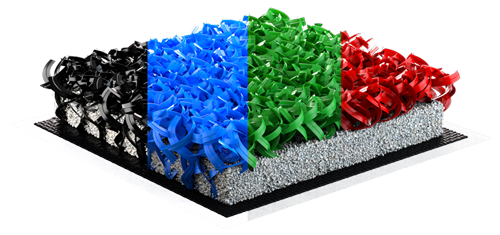
Despite the many advantages, synthetic surfaces have some trade‑offs:
- Initial installation costs tend to be higher than natural grass.
- Turf can become hot in direct sunlight without proper fibre technology.
- Some systems require periodic sand infill maintenance to maintain optimal grip.
However, the long‑term cost savings and performance benefits often outweigh these drawbacks for most facilities.
The Role of Natural Surfaces
Natural grass courts are aesthetically pleasing and comfortable, but they demand continual upkeep — including watering, mowing, pest control, and surface levelling. These factors make them less practical for busy clubs or competitive environments.
Natural surfaces also struggle to stay level and uniform, particularly after rain or heavy use — leading to inconsistent bounce and a less predictable game.
Detailed Comparison: Synthetic vs Natural Padel Court Surfaces
| Feature | Synthetic Surfaces | Natural Surfaces |
|---|---|---|
| Durability | 8–12+ years of heavy use | Shorter lifespan; susceptible to wear |
| Maintenance | Low — brushing, sand top‑ups | High — mowing, watering, fertilizing |
| Ball Consistency | High, uniform across court | Variable with weather and wear |
| Weather Handling | Excellent, drains well | Poor — mud and dryness affect play |
| Cost Over Time | Higher upfront, lower ongoing | Lower upfront, costly long‑term |
| Player Comfort | Engineered shock absorption | Soft feel but inconsistent |
| Standards Compliance | Meets FIP & FEP homologation | Limited compliance options |
Case Studies and Real‑World Usage
Padel Clubs Adopting Synthetic Turf
In major padel hubs around Europe and South America, synthetic turf is the primary surface used in professional and recreational facilities due to its durability and playing consistency. These courts regularly host club matches and competitions, demonstrating how modern padel infrastructure depends on engineered surfaces.
Temporary and Portable Installations
Synthetic turf systems are also used for portable or modular padel courts due to ease of installation and removal — especially useful for rooftop courts, events, or short‑term training facilities.
Installation and Maintenance Best Practices
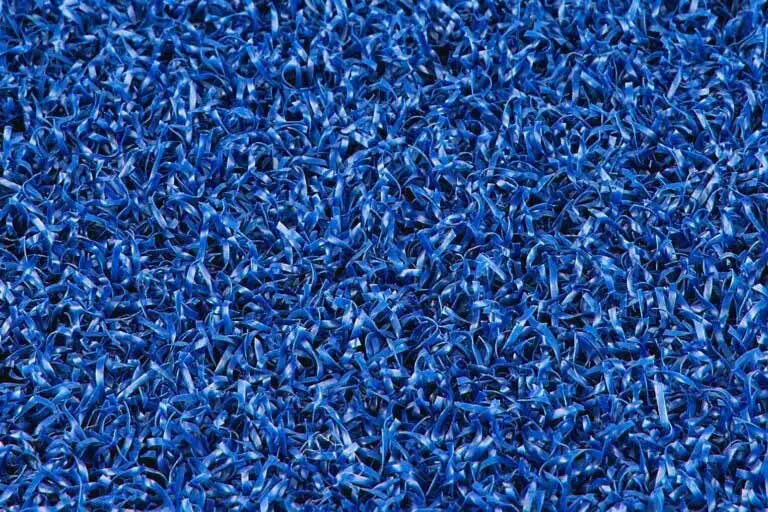
Surface Preparation
Proper base preparation, including an asphalt or concrete foundation, is critical. The surface must meet slope and drainage standards to avoid water pooling and ensure playable conditions year‑round.
Infill Management
Synthetic turf often uses silica sand infill to keep fibres upright and support traction. Over time, infill may settle and require redistribution to maintain play quality.
Regular Brushing & Cleaning
Brushing prevents fibre matting and keeps the playing surface even. Cleaning with mild solutions removes debris and prolongs turf life.
Cost Considerations
While natural surfaces may seem cheaper initially, synthetic turf’s lower maintenance and longer lifespan usually result in better long‑term economics. Annual maintenance costs for turf can be several hundred dollars a year, compared with natural grass that may cost significantly more due to ongoing lawn care routines.
FAQ
What is the best surface for competitive padel play?
For competitive play, synthetic surfaces — especially engineered turf that meets FIP or FEP standards — are widely considered the best due to consistent bounce, traction, and durability.
How long does a synthetic padel court surface last?
Installations typically last 8–12 years or more, depending on usage and maintenance practices.
Are synthetic padel court surfaces hard on joints?
Quality synthetic surfaces are designed with shock‑absorbing properties, minimizing strain on knees and ankles compared with concrete or poorly maintained natural grass.
Do synthetic surface courts drain well after rain?
Yes — most synthetic turf padel courts incorporate drainage systems that allow play shortly after rainfall, unlike natural grass which can stay muddy for days.
What standards should padel court surfaces meet?
Surfaces should meet international guidelines like those outlined by the International Padel Federation (FIP) for ball bounce, flatness, and material specification — especially for clubs and professional venues.
Conclusion
When it comes to padel court surfaces, modern synthetic options — especially high‑quality artificial turf — dominate both professional and recreational installations due to their consistency, durability, and performance benefits. While natural surfaces may appeal for aesthetic or low‑use cases, their maintenance burden, variable playability, and weather sensitivity make them less practical for most padel projects.
Choosing the right surface ultimately depends on your usage goals, budget, climate, and performance expectations, but for most players and facilities, synthetic turf remains the best overall solution for long‑lasting, dependable padel court surfaces.