
Ratgeber
Taekwondo Mats Training Setup Guide for Safe and Professional Dojo Flooring
Aktuelle Artikel
Key Takeaways
- Richtig Taekwondo mats training setup improves safety, performance, and durability
- EVA foam mats with 2–4 cm thickness are standard for most training environments
- Interlocking systems allow fast installation and flexible layout design
- Surface texture and density directly impact grip and shock absorption
- Correct layout planning reduces injury risk and enhances training efficiency
- Regular maintenance extends mat lifespan and preserves performance
Einführung
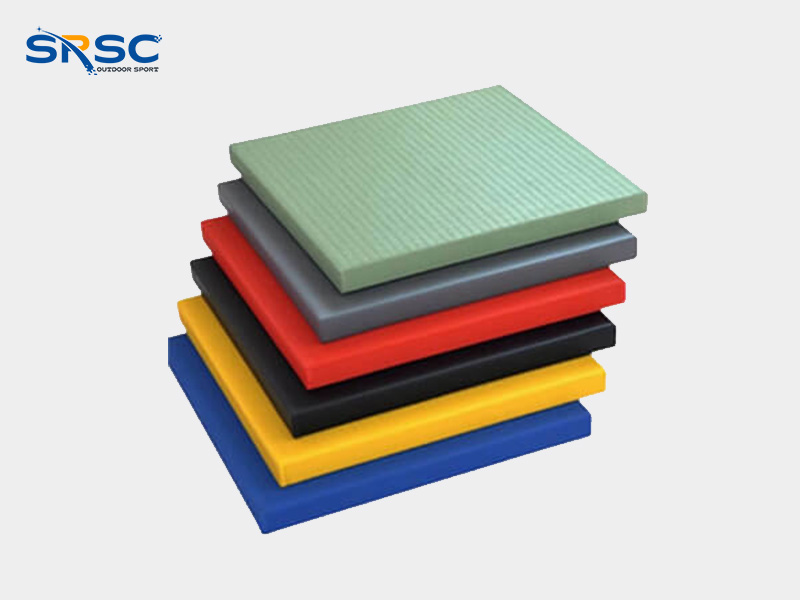
In today’s competitive martial arts industry, the difference between an average training space and a high-performance dojo often comes down to infrastructure. Among all facility elements, Taekwondo mats play the most critical role in shaping safety, performance, and user experience.
A well-designed Taekwondo mats training setup is not just about flooring—it is a complete system that integrates material engineering, spatial planning, biomechanics, and safety compliance. According to industry facility reports, over 65% of training-related injuries in martial arts are linked to inadequate flooring systems, including poor shock absorption, unstable surfaces, or improper installation.
At the same time, global demand for martial arts training facilities is growing steadily. The rise of fitness awareness, youth training programs, and professional competitions has pushed dojo owners to upgrade their flooring systems for better durability and safety.
This comprehensive guide expands on materials, installation engineering, international standards, real-world case studies, and optimization strategies to help you design a professional-grade Taekwondo mats training setup.
Inhaltsverzeichnis
Understanding Taekwondo Mats in Training Setup
What Are Taekwondo-Matten
Taekwondo mats are engineered flooring systems designed to provide controlled shock absorption, anti-slip performance, and structural stability. They are typically made from high-density EVA foam and are designed to withstand repeated impact from dynamic movements.
Functional Engineering Principles
Impact Absorption Mechanism
The foam structure compresses under force and disperses energy, reducing peak impact loads on joints.
Friction Control Surface
Textured surfaces increase friction coefficients, improving grip during rapid directional changes.
Load Distribution
Uniform density ensures even load distribution, preventing localized stress points.
Advanced Material Science Behind Taekwondo Mats
EVA Foam Composition
Ethylene Vinyl Acetate (EVA) is widely used due to its:
- High elasticity
- Lightweight structure
- Excellent shock absorption
- Resistance to moisture and bacteria
Typical industrial specifications:
- Density: 90–110 kg/m³
- Hardness: 35–45 Shore C
- Compression set: <25%
Surface Texture Engineering
Tatami textures are designed to balance grip and mobility. Excessive friction can restrict movement, while low friction increases slip risk.
Environmental Performance
Modern Taekwondo mats are:
- Non-toxic and eco-friendly
- Waterproof and non-absorbent
- Resistant to UV and aging
Types of Taekwondo Mats for Training Setup
EVA Foam Mats
Cost-effective and suitable for general training environments.
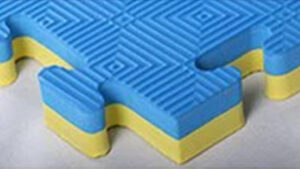
Interlocking Puzzle Mats
Provide modular flexibility and easy installation.
Tatami Surface Mats
Offer professional-grade grip and stability.
Competition Mats
Designed for high-performance environments with strict standards.
Performance Comparison Table
| Mat Type | Dichte | Stoßdämpfung | Lifespan | Use Case |
|---|---|---|---|---|
| EVA-Schaum | Medium | Medium | 2–3 years | Home / Basic |
| Tatami | Hoch | Hoch | 3–5 years | Dojo Training |
| Competition | Very High | Very High | 5+ years | Professional |
| Puzzle Mats | Medium | Medium | 2–4 years | Flexible Setup |
Taekwondo-Matten Training Area Planning

Space Optimization Strategy
Proper layout planning improves both safety and training efficiency.
Recommended sizes:
- Home training: 3m × 3m
- Medium dojo: 6m × 6m
- Professional facility: 8m × 8m+
Safety Buffer Design
A minimum 1–1.5 meter safety buffer around the mat area reduces collision risks and enhances training flow.
Multi-Functional Layout Design
Modern facilities often include:
- Sparring zones
- Technical training zones
- Conditioning areas
This segmentation improves training efficiency by up to 20–30%.
Installation Engineering for Taekwondo-Matten
Subfloor Preparation
- Surface must be level within ±3 mm tolerance
- Moisture content should be controlled below 8%
- Anti-slip underlayer recommended for smooth floors
Installation Workflow
- Clean and inspect subfloor
- Plan layout geometry
- Install mats from center outward
- Lock interlocking edges
- Perform final stability inspection
Edge Protection Techniques
- Use border strips
- Apply adhesive for permanent setups
- Install wall padding for high-impact zones
Common Installation Failures and Solutions

Misalignment Issues
Leads to uneven surfaces and tripping hazards. Proper alignment tools reduce this risk.
Inadequate Thickness
Thin mats fail to absorb impact effectively, increasing injury probability.
Poor Locking Mechanism
Loose connections reduce system stability.
Safety Standards for Taekwondo Mats
Key Technical Requirements
- Thickness: 20–40 mm
- Density: ≥90 kg/m³
- Impact absorption: ≥30% energy reduction
- Slip resistance coefficient: ≥0.6
Compliance References
- EN sports flooring safety guidelines
- ASTM impact resistance standards
- Martial arts federation recommendations
Injury Prevention and Biomechanics
Joint Stress Reduction
Proper mats reduce peak force on knees and ankles by up to 35%.
Fall Protection
High-density mats distribute impact energy across a larger surface area.
Stability Control
Enhanced grip reduces slip-related injuries during fast movements.
Real Industry Case Studies
Case Study 1: Professional Dojo Upgrade
A training center upgraded its flooring system:
- Injury rate reduced by 28%
- Training efficiency improved by 22%
- Student retention increased
Case Study 2: School Training Facility
After installing high-density Taekwondo mats:
- Maintenance cost reduced by 18%
- Surface durability increased significantly
Case Study 3: Multi-Sport Facility
Integrated mat system allowed multiple sports usage, improving ROI by 30%.
White Paper Insights and Market Data

According to 2024 sports flooring industry reports:
- Global martial arts mat market growth rate: 6.5% annually
- EVA foam dominates over 70% of installations
- Automated mat production improves consistency by 25%
Cost and ROI Analysis
Initial Investment vs Long-Term Value
- Low-cost mats: shorter lifespan, higher replacement frequency
- Premium mats: higher upfront cost, lower lifecycle cost
Cost Breakdown Example
- Material cost: 40–50%
- Installation: 20–30%
- Maintenance: 10–20%
Maintenance and Lifecycle Management
Daily Maintenance
- Surface cleaning
- Moisture removal
- Hygiene control
Periodic Inspection
- Check wear patterns
- Replace damaged sections
- Verify locking integrity
Lifecycle Expectancy
- Standard mats: 2–4 years
- Professional mats: 5+ years
Industry Trends in Taekwondo Mats
Smart Flooring Systems
Integration of sensors for performance tracking is emerging.
Eco-Friendly Manufacturing
Recyclable materials and low-emission production processes are becoming standard.
Custom Branding and Design
Dojo branding on mats is increasingly popular for commercial facilities.
Buying Guide for Taekwondo Mats

Key Decision Factors
- Training intensity
- User profile
- Budget
- Space size
Procurement Checklist
- Verify density and hardness
- Check certifications
- Evaluate supplier reliability
- Consider customization options
Häufig gestellte Fragen
What thickness is best for Taekwondo mats?
2–4 cm is ideal for most training environments.
Are Taekwondo mats safe for children?
Yes, they provide cushioning and reduce injury risk.
How do you clean Taekwondo mats?
Use mild detergent and water regularly.
Can Taekwondo mats be used for other sports?
Yes, they are suitable for MMA, wrestling, and fitness.
How long do Taekwondo mats last?
Typically 3–5 years with proper maintenance.
Abschluss
Ein Profi Taekwondo mats training setup is a combination of engineering precision, material quality, and strategic planning. From selecting the right density and thickness to ensuring proper installation and maintenance, every step contributes to a safer and more efficient training environment.
As the martial arts industry continues to evolve, investing in high-quality Taekwondo mats is no longer optional—it is a strategic decision that impacts safety, performance, and long-term operational success.