
BLOG
Padel Court Glass Thickness Guide for Commercial Buyers
Recent Articles
Table of Contents
Key points covered in this guide:
- Why Padel Court Glass Thickness cannot be selected by price alone
- How 10 mm and 12 mm glass specifications differ
- Why the frame, fittings, wind conditions, and panel size must be considered together
- What buyers should check in tempered-glass documents
- How glass holes, edges, and mounting hardware affect installation
- How panoramic and classic court designs influence glass requirements
- What packaging and unloading details reduce transport damage
- How to inspect glass before installation and handover
Choosing the correct Padel Court Glass Thickness is an important part of court procurement because the glass performs several functions at the same time.
It forms part of the playing enclosure, creates a rebound surface, provides spectator visibility, and may experience repeated ball impact and occasional player contact. It must also remain compatible with the steel frame, fixing system, foundation, local environment, and installation method.
Buyers should therefore avoid choosing glass only by comparing thickness numbers. A thicker panel does not automatically correct an unsuitable structural design, inaccurate hole pattern, poor edge finish, weak fitting, or incorrect installation.
This guide explains how commercial clubs, contractors, schools, hotels, developers, and international distributors can evaluate padel glass specifications before ordering a complete court.
What Is Padel Court Glass?
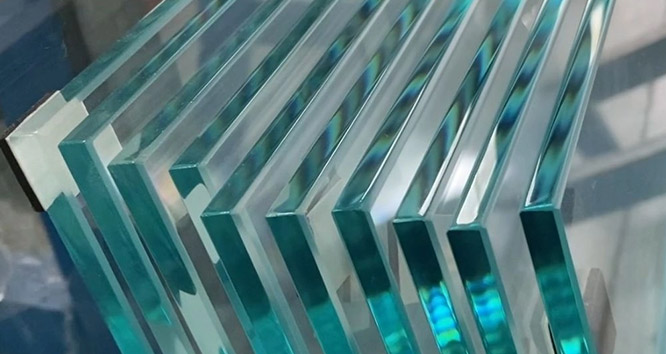
Padel Court glass is the transparent wall system installed around selected sections of the playing enclosure.
The International Padel Federation states that the court must be completely enclosed and that its walls must provide a hard, smooth, uniform surface that supports a consistent ball rebound. Its current rules also state that glass courts should comply with the applicable standards for tempered or plate glass and the relevant FIP court-homologation requirements.
Glass as a Playing Surface
The glass is not simply a spectator barrier.
Players deliberately use the wall during rallies, so panel alignment, flatness, joints, and surface consistency can affect how the ball rebounds.
Glass as a Safety Component
Players may approach or contact the wall during movement.
For that reason, glass type, edge processing, fixing details, installation clearances, and inspection procedures should be treated as part of the complete safety system.
Concept: Glass-System Compatibility
Glass-system compatibility means that the panel, holes, fittings, steel frame, seals, and installation method are designed to work together.
A panel with an acceptable thickness can still create problems when the fixing pattern does not match the structure.
Is 10 mm or 12 mm Glass Better for a Padel Court?
There is no universal answer based only on thickness.
The correct selection depends on:
- Panel dimensions
- Court design
- Support positions
- Hole pattern
- Fixing system
- Structural calculations
- Local wind conditions
- Indoor or outdoor installation
- Applicable standards
- Supplier engineering
Many commercial court systems use glass within the 10–12 mm range, but buyers should verify the complete approved specification rather than treating either number as a universal rule.
10 mm Tempered Glass
A properly engineered 10 mm system may be used in selected court designs when the panel dimensions, frame supports, fittings, and applicable requirements allow it.
Its potential advantages may include:
- Lower panel weight
- Easier handling
- Lower freight weight
- Possible material-cost savings
However, buyers should not assume that changing a 12 mm design to 10 mm is acceptable without technical confirmation.
12 mm Tempered Glass
A 12 mm specification is commonly selected for commercial court systems requiring large transparent panels and frequent use.
SRSC’s current classic and panoramic court specifications list 12 mm tempered glass panels measuring 2 × 3 metres, with 18 panels used in the standard complete court configuration.
Potential considerations include:
- Greater panel weight
- More demanding handling
- Stronger packaging requirements
- Suitable lifting equipment
- Correct fitting and frame compatibility
Padel Court Glass Thickness Comparison
| Comparison Area | 10 mm Glass | 12 mm Glass |
|---|---|---|
| Panel weight | Lower | Higher |
| Manual handling difficulty | Generally lower | Generally higher |
| Freight weight | Lower | Higher |
| Structural suitability | Depends on approved design | Depends on approved design |
| Frame compatibility | Must match 10 mm fittings | Must match 12 mm fittings |
| Use in large commercial panels | Requires technical verification | Common in many commercial systems |
| Installation equipment | May require lifting support | Lifting support strongly recommended |
| Substitution without approval | Not recommended | Not recommended |
Do Not Substitute Thickness on Site
Installers should not replace the approved glass with a thinner or thicker panel simply because it is locally available.
Changing thickness may affect:
- Fitting dimensions
- Bolt length
- Gasket compression
- Panel clearances
- Hole alignment
- Structural response
- Overall weight
- Warranty coverage
Any change should be approved through the project’s technical and contractual process.
Tempered Glass vs Ordinary Glass
Padel wall panels should not be treated like standard decorative building windows.
Ordinary Annealed Glass
Annealed glass can break into large, sharp fragments.
It should not be substituted for a specified safety-glass system simply because its dimensions are similar.
Tempered Glass
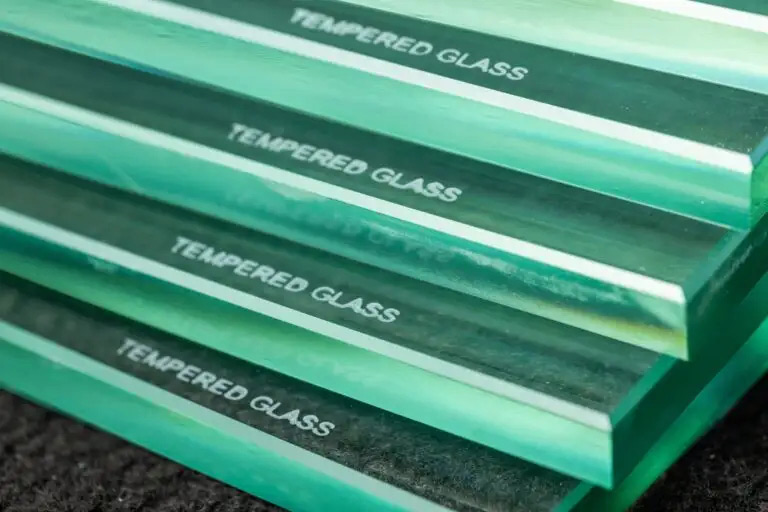
Tempered glass is heat treated to change its strength and breakage behaviour.
FIP’s current rules specifically direct glass courts to the applicable tempered or plate-glass standards and court-homologation requirements.
Laminated Tempered Glass
Laminated tempered glass combines heat-treated glass layers with an interlayer.
It may be considered for projects with particular post-breakage, security, acoustic, or engineering requirements. However, laminated construction, overall thickness, interlayer, weight, fittings, and structural design should be evaluated as one system.
Concept: Controlled Breakage Behaviour
Controlled breakage behaviour describes how a safety-glass product responds after failure.
It does not mean that the panel cannot break. It means the type of glass and its construction are selected to reduce specific hazards according to the applicable product specification.
How Court Design Affects Glass Thickness
A classic court and a panoramic court may use similar glass panels, but their structural arrangements are different.
Classic Padel Court
A classic design usually includes more visible steel posts around the enclosure.
These posts can create additional support positions, but buyers must still verify the exact panel size, fixing layout, and structural design.
The SRSC Classic Padel Court currently lists a 20 × 10 metre court, hot-dip galvanized steel, and 12 mm tempered glass.
Panoramic Padel Court
A panoramic court reduces visible structural obstruction in important viewing areas.
This creates a more open appearance for spectators, photography, events, hotels, and premium clubs. It may also increase the importance of panel dimensions, frame stiffness, connections, foundation accuracy, and installation control.
The SRSC Panoramic Padel Court also lists 12 mm tempered glass in its current product specification.
Super Panoramic Court
A super panoramic design may remove or reduce additional viewing obstructions.
Buyers should not assume that fewer posts mean the glass alone supports the complete court. The steel frame, beams, connections, anchors, and foundation must be designed as a coordinated structure.
Which Design Should Buyers Choose?
| Court Type | Main Glass-Related Priority | Typical Buyer |
| Classic court | Reliable panel support and practical maintenance | Schools, clubs, communities |
| Panoramic court | Clear views and precise glass alignment | Hotels, premium clubs, events |
| Super panoramic court | Maximum visibility and project-specific engineering | Tournament and flagship venues |
| Indoor court | Building access, handling space, condensation, lighting | Warehouse and indoor clubs |
| Roofed outdoor court | Roof-frame coordination, drainage, wind review | All-weather commercial projects |
Buyers can compare these options through the full Padel Court product range.
Panel Size Matters as Much as Thickness
Two panels with the same thickness can perform differently when their width, height, support, and hole positions are different.
Large Panel Considerations
Larger panels generally require more attention to:
- Handling weight
- Transport frames
- Lifting method
- Frame stiffness
- Hole accuracy
- Edge protection
- Installation sequence
- Replacement logistics
Avoid Approximate Measurements
A replacement panel should not be ordered using only an approximate tape measurement taken after breakage.
Use the original approved glass schedule whenever possible.
Concept: Glass Schedule
A glass schedule is a drawing or table that identifies every panel by position, dimensions, thickness, hole pattern, edge treatment, and quantity.
It allows the manufacturer, installer, and operator to identify the correct replacement panel without relying on visual guesses.
Check the Glass Hole Pattern
Hole accuracy is one of the most important details in Padel Court glass production.
Information Buyers Should Confirm
The glass drawing should show:
- Hole quantity
- Hole diameter
- Horizontal position
- Vertical position
- Distance from edges
- Panel orientation
- Panel identification
- Fitting type
Why Hole Accuracy Matters
Incorrect holes may cause:
- Installation delays
- Uneven panel gaps
- Misaligned fittings
- Excessive local stress
- Forced assembly
- Complete panel rejection
Do Not Drill Tempered Glass After Production
The required holes and edge processing should be completed before the final tempering process.
Attempting to drill or cut a finished tempered panel on site is not an appropriate way to correct an inaccurate order.
Require Drawing Approval
Buyers should approve the glass schedule before production begins.
The supplier and buyer should retain the final approved revision for future spare-part orders.
Review Edge Quality and Panel Finish
Thickness alone does not describe the quality of a glass panel.
Edge Processing
Check whether the specification includes:
- Ground edges
- Polished edges
- Chamfered corners where required
- Smooth hole edges
- Consistent dimensions
- No visible edge damage
Surface Quality
Inspect for:
- Scratches
- Chips
- Stains
- Distortion
- Manufacturing marks
- Incorrect branding
- Coating or printing defects
Some visual variation may be addressed through an agreed inspection standard. Acceptance criteria should be defined before production.
Optical Clarity
Clear sightlines matter for players, coaches, spectators, cameras, and venue presentation.
Avoid placing oversized graphics where they may interfere with visibility or the course of play. FIP’s current rules permit limited wall logos provided their size and colours do not interfere with player vision.
Check the Glass Fixing System
Glass panels do not perform independently from their fittings.
Typical Fixing Components
The system may include:
- Bolts
- Countersunk fittings
- Stainless-steel hardware
- Rubber gaskets
- Plastic sleeves
- Washers
- Spacers
- Protective caps
- Frame plates
Avoid Direct Glass-to-Metal Contact
The approved fixing system should prevent unsuitable direct contact and allow the panel to be held without damaging its edges or holes.
Installers should use the supplied or approved gaskets, sleeves, and washers rather than replacing them with visually similar materials.
Confirm Bolt Tightening Procedure
Excessive tightening can place unnecessary stress around glass holes.
Insufficient tightening may allow movement or rattling. The installation manual should define the correct sequence and method.
Concept: Point Loading
Point loading occurs when force is concentrated in a small area of the panel, such as around a hole, edge, or fitting.
Accurate installation and suitable protective components help distribute contact more appropriately.
Consider Wind and Environmental Conditions
Outdoor glass panels are exposed to more than ball impact.
The court specification may also need to address:
- Wind
- Temperature changes
- Coastal salt
- Humidity
- Sand
- Snow around the site
- Ground movement
- Building turbulence
Wind Is a Whole-Court Issue
Increasing glass thickness alone does not create a wind-resistant court.
Wind performance depends on:
- Panel size
- Steel posts
- Beams
- Connections
- Anchors
- Foundation
- Court orientation
- Nearby buildings
- Local design criteria
Coastal Projects
For coastal sites, buyers should review the complete system, including:
- Steel treatment
- Coating
- Fasteners
- Glass fittings
- Maintenance intervals
- Drainage
- Cleaning
The Padel Court materials guide recommends evaluating glass, steel, turf, mesh, lighting, drainage, fasteners, and foundation details as one connected system.
Plan Packaging for International Shipping
Glass can be manufactured correctly and still arrive damaged when packaging, loading, or unloading is inadequate.
Suitable Glass Packaging
Ask the supplier to provide:
- Strong plywood crates or transport frames
- Panel separation
- Edge protection
- Moisture protection
- Stable internal securing
- Handling labels
- Package numbers
- Weight information
- Panel identification
SRSC’s current product information states that its 12 mm court glass is packed in plywood crates for transportation protection.
Container Loading Plan
The loading plan should show:
- Glass-crate position
- Steel-package position
- Package sequence
- Weight distribution
- Unloading order
- Required equipment
Avoid Unsupported Manual Unloading
Large glass panels are heavy and difficult to control.
The project should prepare suitable lifting frames, suction equipment, trained workers, and a safe storage area before the container arrives.
Inspect Glass When It Arrives
Transport damage should be identified before packaging is discarded.
Delivery Inspection Checklist
Check:
- Container condition
- Seal number
- Package count
- Crate damage
- Water exposure
- Impact marks
- Loose internal securing
- Glass edges
- Visible cracks
- Panel labels
Photograph Before Unloading
Take photographs of the container, package positions, crates, labels, and any visible damage.
These records may be required for transport, insurance, or supplier claims.
Store Panels Correctly
Glass should remain:
- Securely supported
- Protected from impact
- Separated from vehicle routes
- Away from unstable ground
- Clearly labelled
- Accessible in the installation sequence
Do not allow panels to remain unsupported or placed in a position where they may slide.
Inspect Glass Before Installation
A pre-installation inspection can prevent damaged or incorrect panels from being fitted.
Verify Each Panel
Confirm:
- Panel number
- Dimensions
- Thickness
- Hole pattern
- Orientation
- Edge condition
- Surface condition
- Branding
- Quantity
Check the Supporting Structure
Before lifting the glass, inspect:
- Post alignment
- Opening dimensions
- Foundation level
- Fixing plates
- Bolt positions
- Frame stability
- Installation access
A correctly manufactured panel may still fail to fit when the steel frame or anchors are out of position.
Common Padel Court Glass Installation Mistakes

Forcing a Misaligned Panel
The installer should stop and identify why holes or edges do not align.
Mixing Glass Fittings
Fittings from different court models or thicknesses may not be interchangeable.
Removing Protective Materials Too Early
Glass surfaces can be scratched during continuing steel, electrical, or landscaping work.
Installing Damaged Glass
A chipped edge or damaged hole should be assessed before installation.
Using the Glass to Correct Frame Alignment
Glass panels should not be used to pull a misaligned steel frame into position.
Allowing Untrained Handling
Glass lifting and positioning should be completed by personnel familiar with the equipment and installation method.
Plan for Future Glass Replacement
Commercial operators should prepare for accidental damage even when high-quality glass is used.
Keep the Original Documents
Retain:
- Glass schedule
- Court model
- Order number
- Panel drawings
- Thickness
- Hole dimensions
- Fitting details
- Panel numbering
- Supplier contact
- Installation photographs
Request a Replacement-Glass Procedure
Ask the supplier:
- How the panel is identified
- How long production normally takes
- How it will be packed
- Whether panels are interchangeable
- Which fittings should be replaced
- Whether installation guidance is available
- Who pays freight under different claim types
Keep Small Fittings in Stock
It may be practical to keep:
- Approved glass bolts
- Gaskets
- Sleeves
- Washers
- Protective caps
- Spacers
Complete glass panels are usually special-order components, but small compatible fittings can reduce repair delays.
Padel Court Glass Supplier Checklist
Before approving the order, ask the supplier to confirm:
| Requirement | Buyer Check |
| Glass type | Tempered or specified laminated-tempered system |
| Thickness | Shown on quotation and drawing |
| Panel dimensions | Listed for every panel type |
| Hole pattern | Fully dimensioned |
| Edge finish | Clearly specified |
| Safety documentation | Provided where required |
| Panel numbering | Matches installation drawing |
| Fittings | Included and compatible |
| Packaging | Crate method and protection stated |
| Container plan | Available before shipping |
| Replacement process | Lead time and required information defined |
| Warranty | Coverage and exclusions written |
Conclusion
Choosing Padel Court Glass Thickness requires more than deciding between 10 mm and 12 mm.
Buyers should evaluate the glass type, panel size, hole pattern, edge quality, fittings, court structure, local environment, packaging, installation method, replacement process, and technical documentation together.
A clear written specification reduces quotation differences and helps the manufacturer, civil contractor, installer, and operator work from the same requirements. For commercial projects, accurate glass drawings and installation records are also essential for future maintenance and replacement orders.
SRSC’s current classic, panoramic, super panoramic, single, indoor, outdoor, and roofed court systems can be reviewed through its complete Padel Court collection. Buyers can also read the Padel Court materials guide, review the installation guide, or contact SRSC with the court design, project location, glass specification, quantity, and delivery requirements.
FAQ
What is the standard Padel Court Glass Thickness?
Commercial systems commonly use glass within the 10–12 mm range, but the approved thickness depends on the court design, panel size, support system, fittings, engineering, and applicable requirements.
Is 12 mm glass always better than 10 mm glass?
No. Thickness should be considered as part of the complete court system. A well-engineered specification is more important than selecting the largest number without checking compatibility.
Does SRSC use 12 mm glass?
SRSC’s current classic, panoramic, super panoramic, and standard Padel Court product information lists 12 mm tempered glass for those configurations.
Can I replace 12 mm glass with 10 mm glass?
Not without technical approval. The change may affect fittings, clearances, weight, structural response, warranty, and compliance.
Can tempered glass be drilled at the installation site?
The required holes should be produced before tempering. A finished tempered panel should not be treated like ordinary glass for on-site drilling or cutting.
How many glass panels are used in a standard court?
The quantity depends on the design. SRSC’s current classic and panoramic 20 × 10 metre configurations list 18 panels measuring 2 × 3 metres.
Is laminated tempered glass required for every project?
Requirements vary by design, market, client specification, and applicable standards. Buyers should obtain project-specific technical confirmation rather than assuming one glass construction applies everywhere.
What information is needed to order replacement glass?
Provide the court model, panel number, dimensions, thickness, hole pattern, edge finish, photographs, fitting details, project location, and original order information.
How should Padel Court glass be transported?
It should be placed in suitable crates or transport frames with panel separation, edge protection, clear labelling, and stable securing. The unloading plan should be prepared before delivery.